

The demand for real estate purchases remains very high.
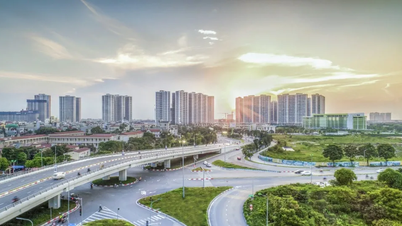
According to Savills Vietnam's forecast, in Ho Chi Minh City alone, the supply of mid-range apartments will reach approximately 9,000 units by the end of 2023. This represents a positive shift in market demand, as previously, the market was flooded with high-end and luxury apartments while there was little demand for personal use.
Thanks to this shift, from the middle of the second quarter of 2023 until now, the volume of transactions has shown a significant increase. In particular, apartments priced at around 3 billion VND/unit are attracting a lot of interest. Most of those interested in this segment are customers with a genuine need for housing and strong financial resources.
Observations show that in some projects with prices in this segment in the southern part of Ho Chi Minh City, or even in neighboring provinces, sales have been quite good, generating hundreds of billions of VND in revenue for the investors in a short period of time.
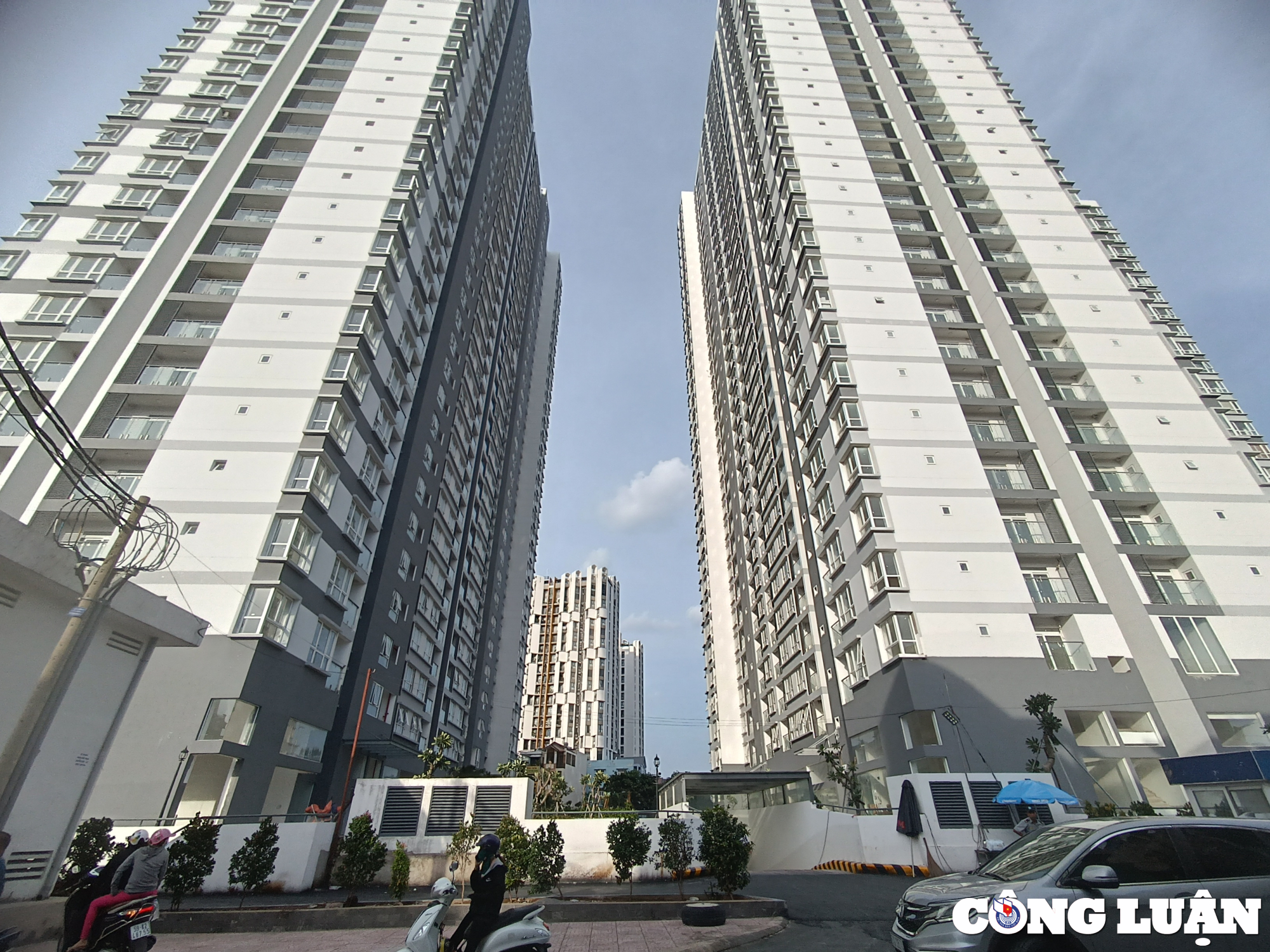
Affordable housing projects have continued to generate transactions recently, which is a bright spot in a market currently lacking liquidity.
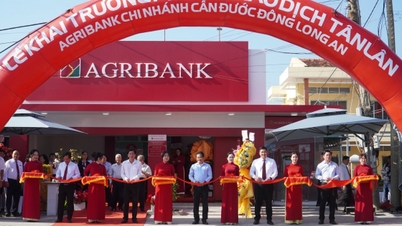
Many believe this is a result of the government 's recent policies to ease restrictions and provide support to the real estate market. In particular, the State Bank of Vietnam's four consecutive interest rate cuts have made it easier for developers and customers to access funding and better purchasing policies during this period.
Along with these positive signals, many developers continue to maintain sales policies that are attractive enough for both real buyers and investors, such as substantial discounts for one-time payments, long-term interest rate support, etc. This has improved the liquidity issue that had hampered the market during the first three months of the year.
Drawing lessons from previous periods of volatility, some real estate businesses have changed their business and operational methods, streamlining their operations and making cautious decisions. This involves focusing on developing existing projects, promoting mid-range priced products that suit market tastes, and concentrating on strengths that buyers value, such as legal aspects, incentives, and operational efficiency.
According to Savills Vietnam's assessment, Ho Chi Minh City remains an attractive destination for young, highly skilled workers from across the country. With a population of over 10 million and 55% of the population being young, approximately 30% of this demographic has a need to buy a home. Given this strong demand, transactions in mid-range priced projects continue, albeit inconsistently.
Homebuyers will benefit during this period.
With developers paying more attention to the real needs of the market, in the coming time, many mid-range products will continue to enter the supply to meet current demand. Furthermore, with the government's focus on developing social housing projects, a large number of affordable housing products will be created in the future, increasing competition in the market.
Thanks to this, buyers with genuine housing needs will benefit as developers begin to compete fiercely in this race. Meeting market demands during the recovery phase is not only a survival goal for businesses but also a stage to affirm their brand and true value by fulfilling market needs.
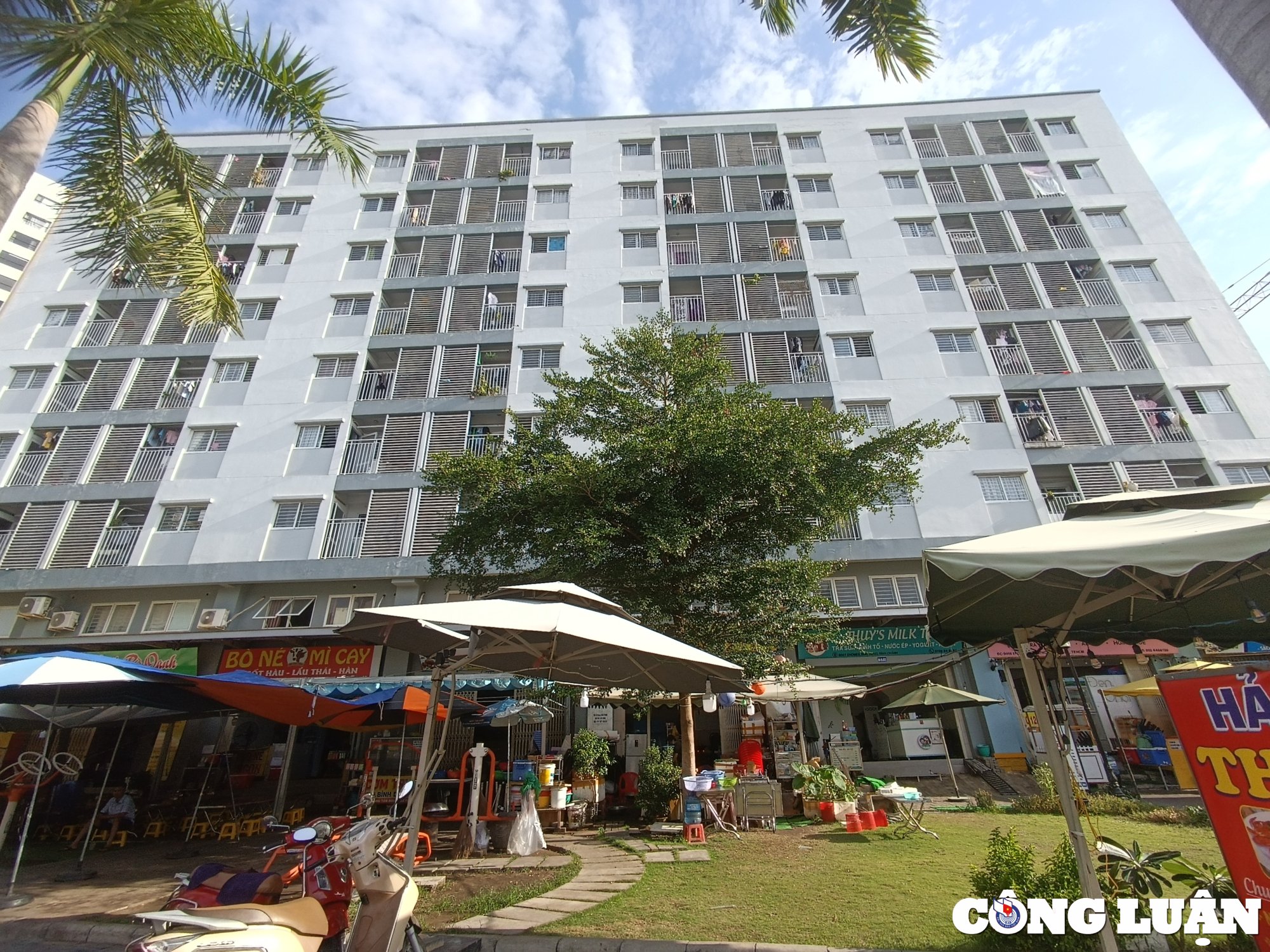
Developing affordable social housing projects will increase market competitiveness, benefiting buyers.
To achieve this, in addition to developing products at affordable prices and offering special discounts, developers must also focus on practical and diverse incentive packages that are not easily available in normal market conditions. Furthermore, the developed products must have unique features related to amenities, services, and living environment that align with consumer preferences… in order to compete and attract buyers during this exceptional period.
In recent times, the real estate market has received positive signals, including the government's decisive efforts to address difficulties, exemplified by Resolution No. 33 on solutions to remove obstacles and promote the safe and sustainable development of the real estate market. The government has also established numerous working groups, in collaboration with local authorities, to investigate each area and project in order to identify problems and find solutions.
In addition, Decree 08 on extending and postponing bond debt repayments, and Decisions No. 313 and 314 of the State Bank of Vietnam on gradually reducing interest rates to unblock credit flows have also "rescued" real estate businesses during this difficult period. Even many businesses with legally sound projects that meet market demands have easily accessed capital from banks.
Thanks to the aforementioned positive signals, the real estate market is receiving much anticipation for a recovery in the fourth quarter of 2023, as the government's policies begin to take effect on the economy . This is also the period many people look forward to, as the difficulties will pass and investors will begin to return to the market to improve liquidity.
Source

























































































Comment (0)