

Clearly distinguish between the activities of chemical production and bottling.
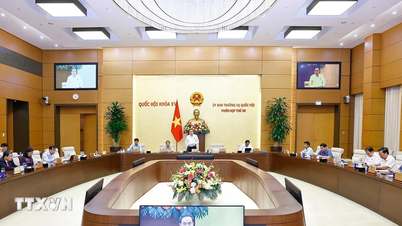
National Assembly representative Nguyen Tran Phuong Tran ( Ho Chi Minh City) argued that while the draft law includes specific regulations on chemical activities such as storage, trading, bottling, and production, in practice, when registering business licenses, enterprises engaged in bottling, mixing, and production are grouped together under a single industry code. “This does not accurately reflect the true nature of activities related to chemicals, which have a direct impact on the environment.” Raising this issue, representative Nguyen Tran Phuong Tran also suggested that a clear distinction should be made between chemical production and chemical bottling activities.
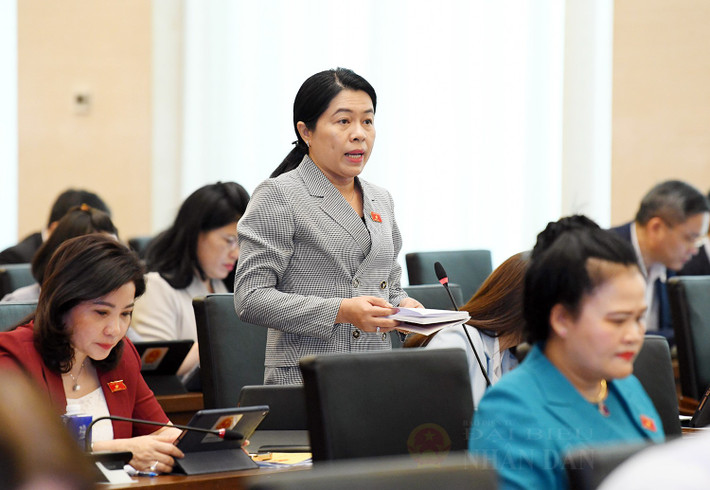
The draft law does not yet include regulations on safe distances from chemical production and trading facilities in residential areas. Small businesses can still trade chemicals in residential areas without ensuring safety requirements. Therefore, the representative suggested that relevant regulations should be added to ensure full safety requirements are met and to minimize incidents in residential areas.
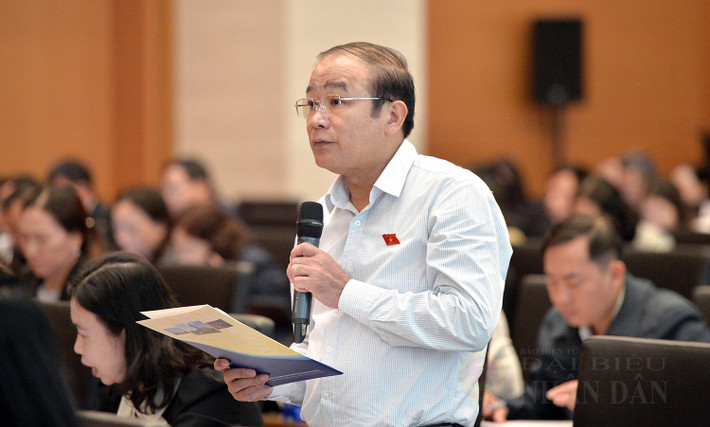
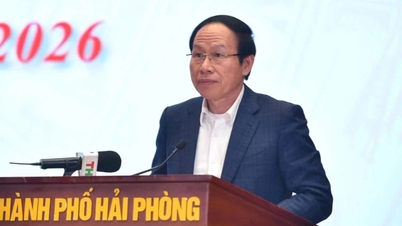
National Assembly representative La Thanh Tan (Hai Phong) requested clarification on whether the concept of "chemicals requiring special control" falls under the list of restricted chemicals stipulated in the current law. He pointed out that currently, certificates for the production and business of restricted chemicals have already been issued and are valid. "If the chemicals requiring special control are of a different type, businesses would need to go through the entire licensing process from scratch, potentially causing disruptions to their production and business operations." The representative also suggested adding and clarifying the terms "chemicals subject to conditional production and business," "chemicals requiring special control," and "prohibited chemicals" to Article 2 of the draft law for completeness.
Clearly define the responsibilities of state management agencies in coordinating the prevention and response to chemical incidents.
National Assembly representative Nguyen Minh Tam (Quang Binh) raised the issue that current regulations on preventing and responding to chemical incidents are related to several laws such as: the Law on Occupational Safety and Health; the Law on Environmental Protection; the Law on Fire Prevention and Fighting; the Law on Civil Defense; the Law on Environmental Resource Protection... Therefore, the representative proposed a review and assessment of the basis and feasibility of these regulations to ensure smooth and effective implementation; at the same time, a review of the contents in the draft Law and other related laws to ensure consistency and uniformity.

The delegates also suggested studying the integration of chemical incident prevention and response plans with related plans currently stipulated in other laws, to avoid overlap and simplify administrative procedures.
Point d, Clause 2, Article 36 of the draft Law stipulates the development of chemical incident prevention and response plans, stating that "chemical incident prevention and response plans shall be appraised simultaneously with the appraisal process of the feasibility study report or a document equivalent to the feasibility study report of the project."
Commenting on this issue, National Assembly representative Tô Ái Vang (Sóc Trăng) suggested clarifying the following two points: firstly, the scope of application should be new investment projects or projects expanding scale and increasing capacity, as this would be consistent with the aforementioned appraisal process. Secondly , for existing facilities, at what point in time should the appraisal process be carried out?
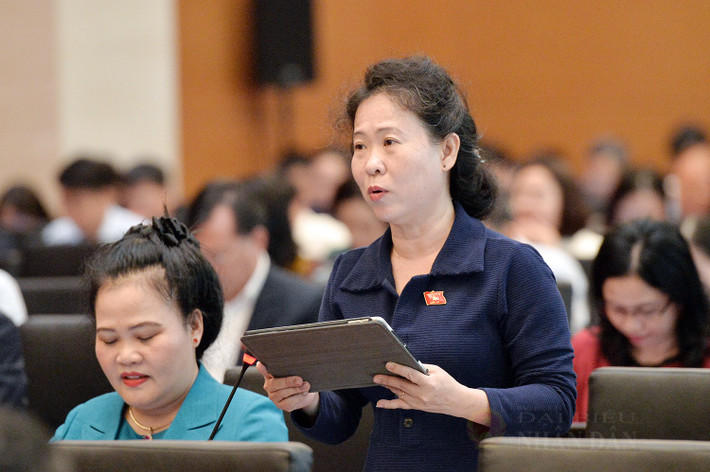
Regarding the responsibility for coordinating the prevention and response to chemical incidents, delegate Tô Ái Vang proposed adding regulations clearly defining the responsibilities of state management agencies at all levels in coordinating the prevention and response to chemical incidents. "Chemical incidents have very long-lasting and significant impacts on human lives, health, and property, as well as on the environment. Therefore, state management agencies at all levels must be responsible for coordinating with organizations and individuals in the prevention and response to chemical incidents," the delegate emphasized.
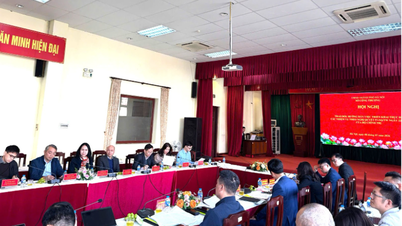
Concluding the discussion session, Vice Chairman of the National Assembly Le Minh Hoan requested the drafting agency, together with the reviewing agency, to continue to carefully study the feedback received in order to incorporate, revise, and finalize the draft Law.
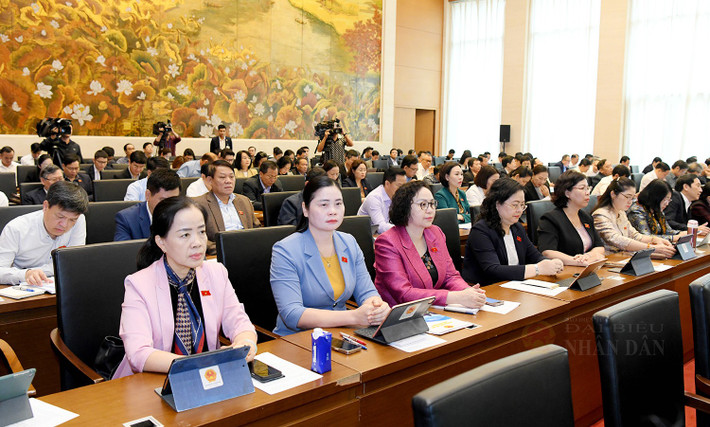
Regarding the contents related to several other draft laws that were also discussed at the 7th Conference of Specialized National Assembly Deputies and submitted to the National Assembly for consideration and approval at the upcoming Ninth Session, such as the draft Law on Corporate Income Tax (amended) and the draft Law amending some articles of the Law on Advertising, the Vice Chairman of the National Assembly emphasized the need to ensure consistency between the draft laws.
Regarding the proposal to integrate the chemical incident prevention and response plan and the environmental incident response plan, the Vice Chairman of the National Assembly suggested that the lead agency responsible for verification and the lead agency responsible for drafting should coordinate with the Standing Committee of the National Assembly's Law and Justice Committee and the Ministry of Agriculture and Environment to continue reviewing and ensuring convenience for organizations, individuals, and businesses; while also ensuring feasibility in implementation if integration is possible.
Source: https://daibieunhandan.vn/bao-dam-cac-yeu-cau-ve-an-toan-hoa-chat-post408294.html








































































Comment (0)