


The talk show "Streamlining the organizational structure - Empowering local authorities at two levels" was produced by the newspaper Tin Tuc va Dan Toc in May 2025.
At the National Conference on Implementing Politburo Resolutions on May 18, 2025, General Secretary To Lam clearly outlined the "Four Pillars" to help Vietnam "take off," including: Resolution 57 on promoting science, technology, and innovation; Resolution 59 on proactive and comprehensive international integration; Resolution 68 on developing the private economy; and Resolution 66 on comprehensive reform of lawmaking. These are the foundations of a new, comprehensive, feasible, and practical development mindset, providing a solid theoretical basis for national development.
With a 100-year tradition of close ties to the nation, journalism is facing urgent demands for innovation in content, form, approach, and technology to live up to its role in shaping public opinion. The new era of the nation requires talented and courageous journalists who constantly innovate, explore reality, and convey compelling and engaging information to the public; who respect the truth and persistently defend the interests of the country and its people. Only then can journalism fulfill its role and mission of contributing to the nation and its people.
Comrade Tran Cam Tu, Member of the Political Bureau , Standing Member of the Secretariat of the Central Committee
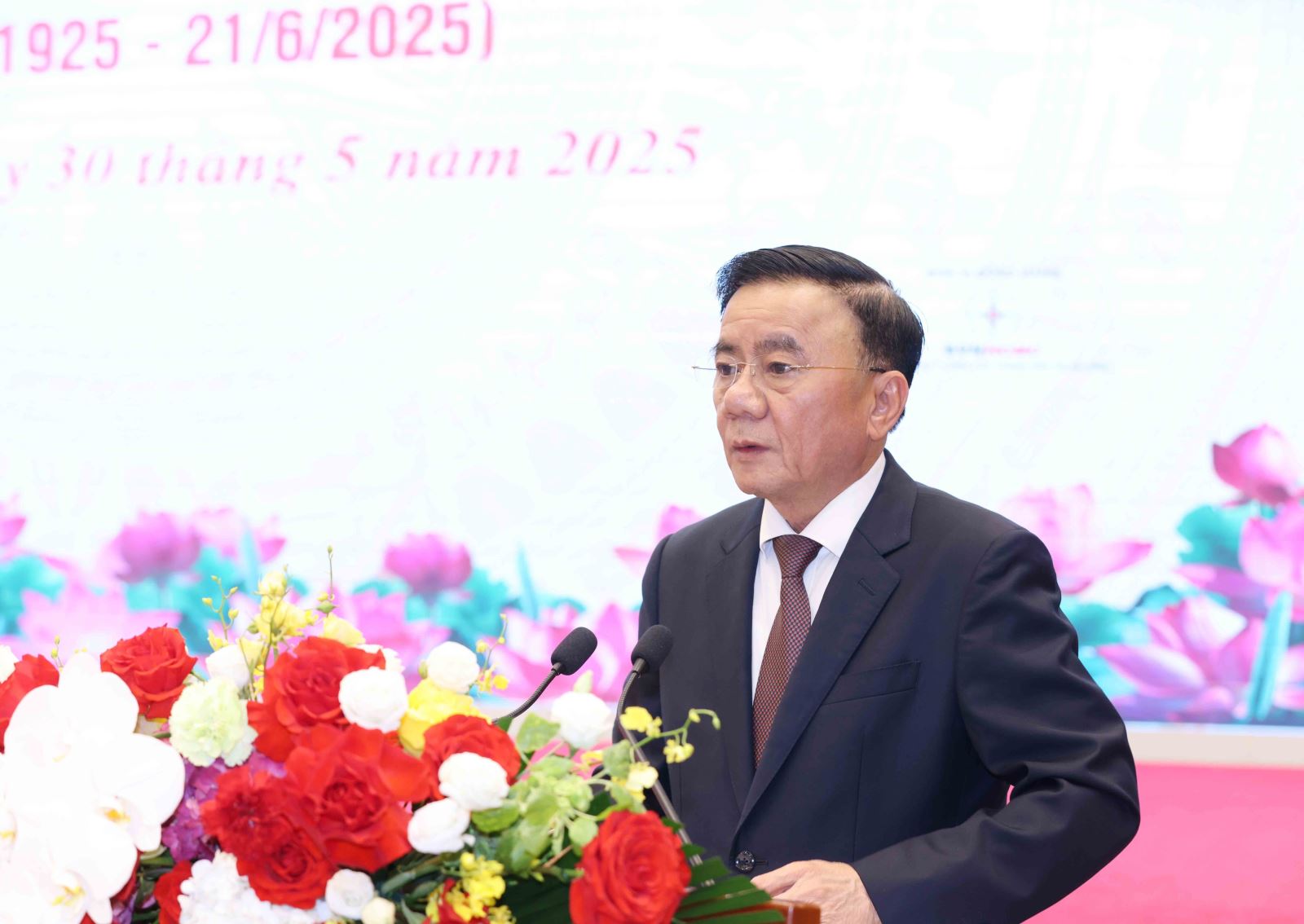
Over 100 years of construction and development, the Vietnamese revolutionary press has made significant strides in terms of quantity, quality, programs, and publication content, and has begun to master modern communication technologies. Many press agencies have developed into multimedia news organizations on par with regional and global standards, and the team of journalists is growing stronger, more steadfast in political conviction, skilled in their profession, exemplary in professional ethics, and fulfilling their social responsibilities well.
Globalization, along with the development of digital technology and artificial intelligence, presents many opportunities but also poses numerous challenges for revolutionary journalism. Journalism needs to intensify research, exploitation, and application of scientific and technological achievements, digital transformation in journalism linked to administrative reform, building professional media organizations that operate efficiently, effectively, and internationally.
Journalists are happy to always receive attention from the Party and the State, and encouragement and recognition from the public. In the history of journalism, President Ho Chi Minh maintained the column "Speaking and Listening" in the Nhan Dan newspaper; General Secretary Nguyen Van Linh had the column "Things That Need to Be Done Immediately"... demonstrating the irreplaceable role of journalism in the đổi mới (renovation) period... It would be difficult to have articles that touch the hearts of the public if journalists lacked dedication, passion, and commitment to their profession.
Commitment, passion for the profession, idealism, a spirit of serving the country and the people, and pride in their profession are always the foundation that enables journalists to steadfastly face all difficulties and challenges, and to best fulfill their role in all situations. Journalism in the new era must live in the breath of the nation, connected to the thoughts and concerns of the people. The appeal of journalism lies in expressing the thoughts and aspirations of the people.
Comrade Nguyen Trong Nghia, Member of the Political Bureau, Head of the Central Propaganda and Mass Mobilization Department.
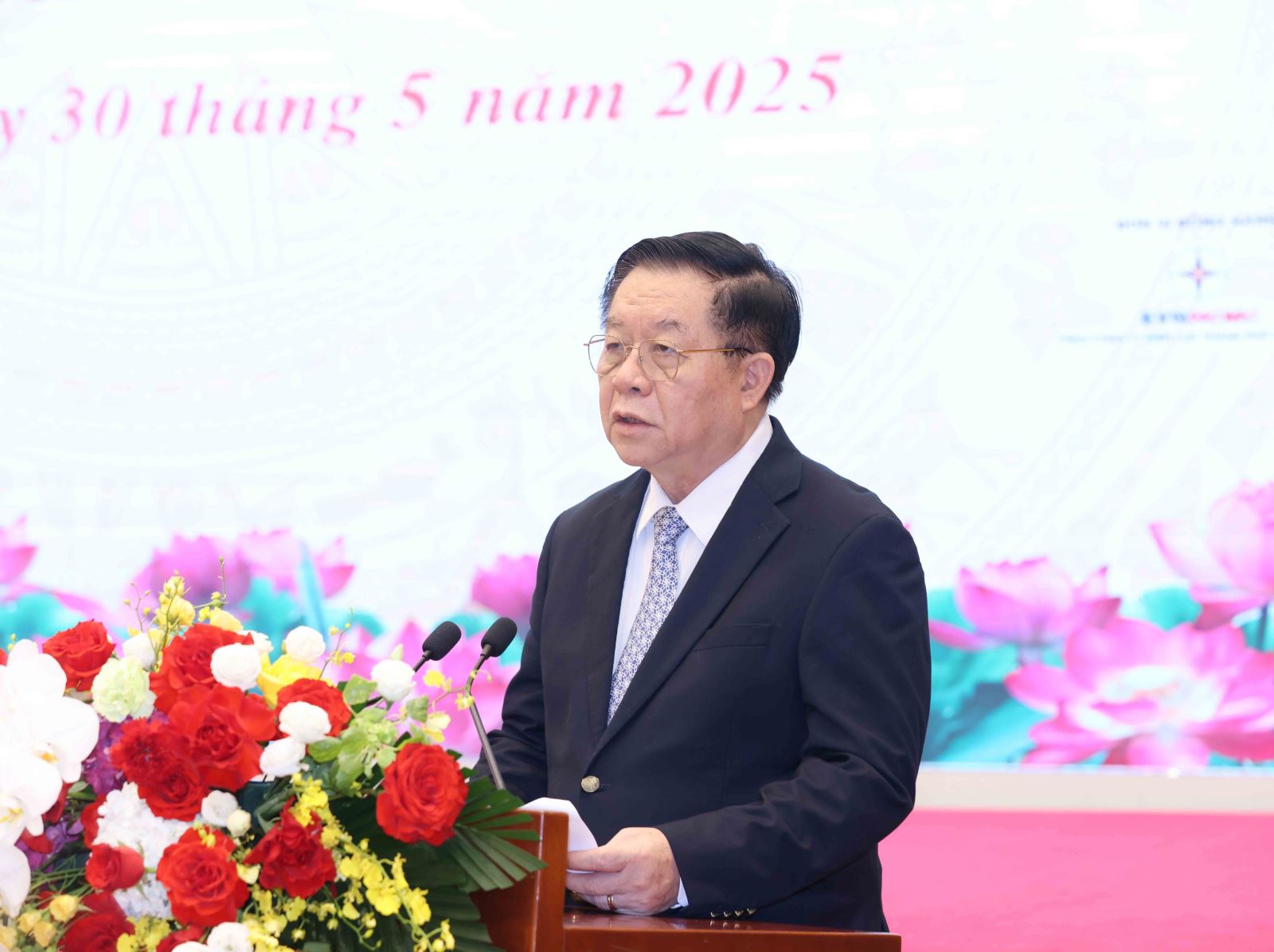
Every journalist today is proud of the 100-year tradition of Vietnamese Revolutionary Journalism and clearly understands the profound directives of General Secretary To Lam: "The new era poses new and higher demands on revolutionary journalism, requiring it to develop proportionally, to grow alongside the nation, and to be worthy of a professional, humane, and modern press." This is a political mandate, a call to action for every journalist and media organization to comprehensively innovate their thinking, working methods, and organizational structure.
To achieve this, we must leverage our network of collaborators, expand forums for exchange, and effectively gather and disseminate information. We must pay attention to vulnerable groups, protect fairness, and safeguard the legitimate interests of those in the public who have limited opportunities to voice their opinions. Information from remote areas and ethnic minority communities should be given greater priority. Public participation in journalism is key to making it more vibrant, accessible, and up-to-date.
Journalism in the new era must have a new vision. Adhering closely to the Party's leadership, possessing foresight, and anticipating trends, the new press will not fall behind the times. The world is changing unpredictably. "Maintaining constancy while adapting to change" – the guiding principle of journalism is to decisively do what benefits the country and decisively avoid what harms it. Carefully consider the advantages and disadvantages, sharpen thinking, and promote more appropriate channels of communication.
Professor Dr. Nguyen Xuan Thang, Member of the Political Bureau, Director of the Ho Chi Minh National Academy of Politics, Chairman of the Central Theoretical Council
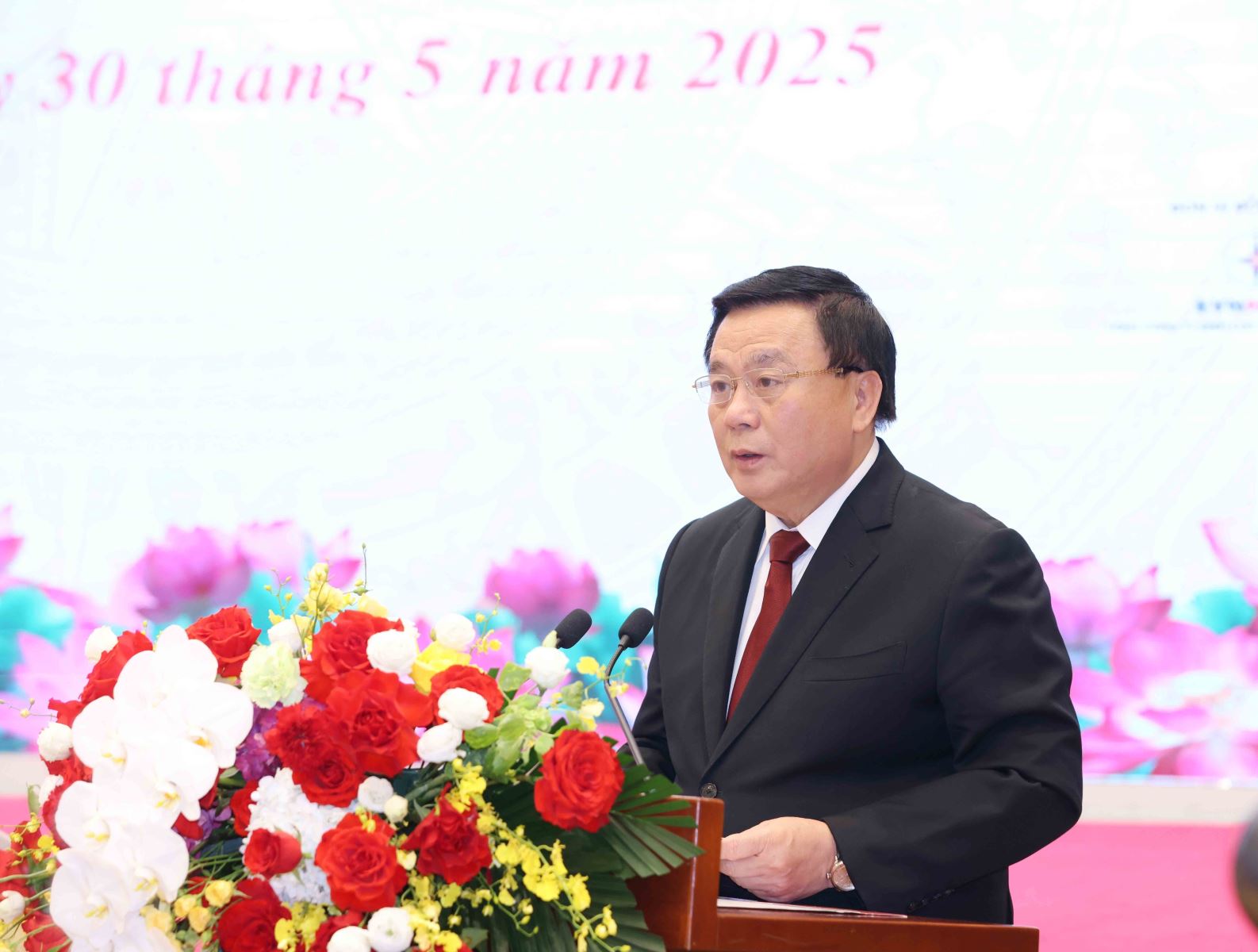
With an objective and multifaceted approach, the press has truthfully and vividly reflected social life throughout the country; promptly highlighting pressing issues such as poverty reduction, environment, education, health, social security, administrative reform, and the fight against corruption, waste, and negative practices. It plays a role in social oversight and criticism, identifying bottlenecks in management and policy implementation, and offering relevant recommendations to help the Party and State promptly adjust and improve institutions and laws.
The press only thrives when it can persuade the public. It must resolutely combat harmful and toxic information, block hostile narratives, and encourage innovation. Furthermore, in the new era, the press must integrate strongly. The development and explosion of digital media presents the press with both opportunities and significant competitive challenges. Bringing the press to cyberspace or having the press proactively operate and compete on social media platforms are two different approaches.
Given its unique characteristics, the differences in target audiences, and the ways in which information is accessed, online journalism needs to be more flexible and dynamic. Information must be impactful, timely, concise, and straightforward, while still maintaining the core message of "what needs to be said and what we want to say." This is a significant challenge. Furthermore, the current legal framework is incomplete, and regulations governing online journalism are still in the draft Law on Journalism, which is expected to be submitted to the National Assembly for consideration and approval later this year…
However, it is necessary to accelerate the process of finalizing laws, especially regulations on the operation of the press in cyberspace or the model of multi-platform media corporations/consortia, to create conditions for media organizations to develop strongly, dominate the field, and fulfill their leading role! Journalism in the new era must also utilize technology in journalism, especially artificial intelligence (AI).
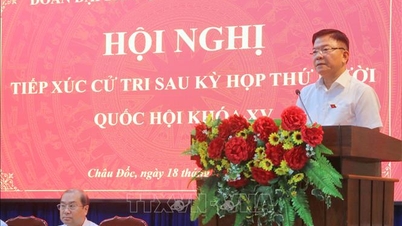
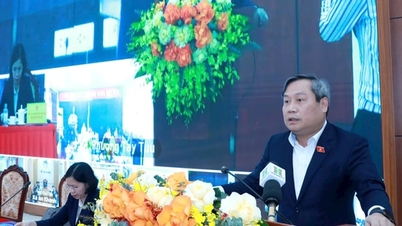
Ms. Nguyen Thi Viet Nga, Deputy Head of the National Assembly Delegation of Hai Duong Province
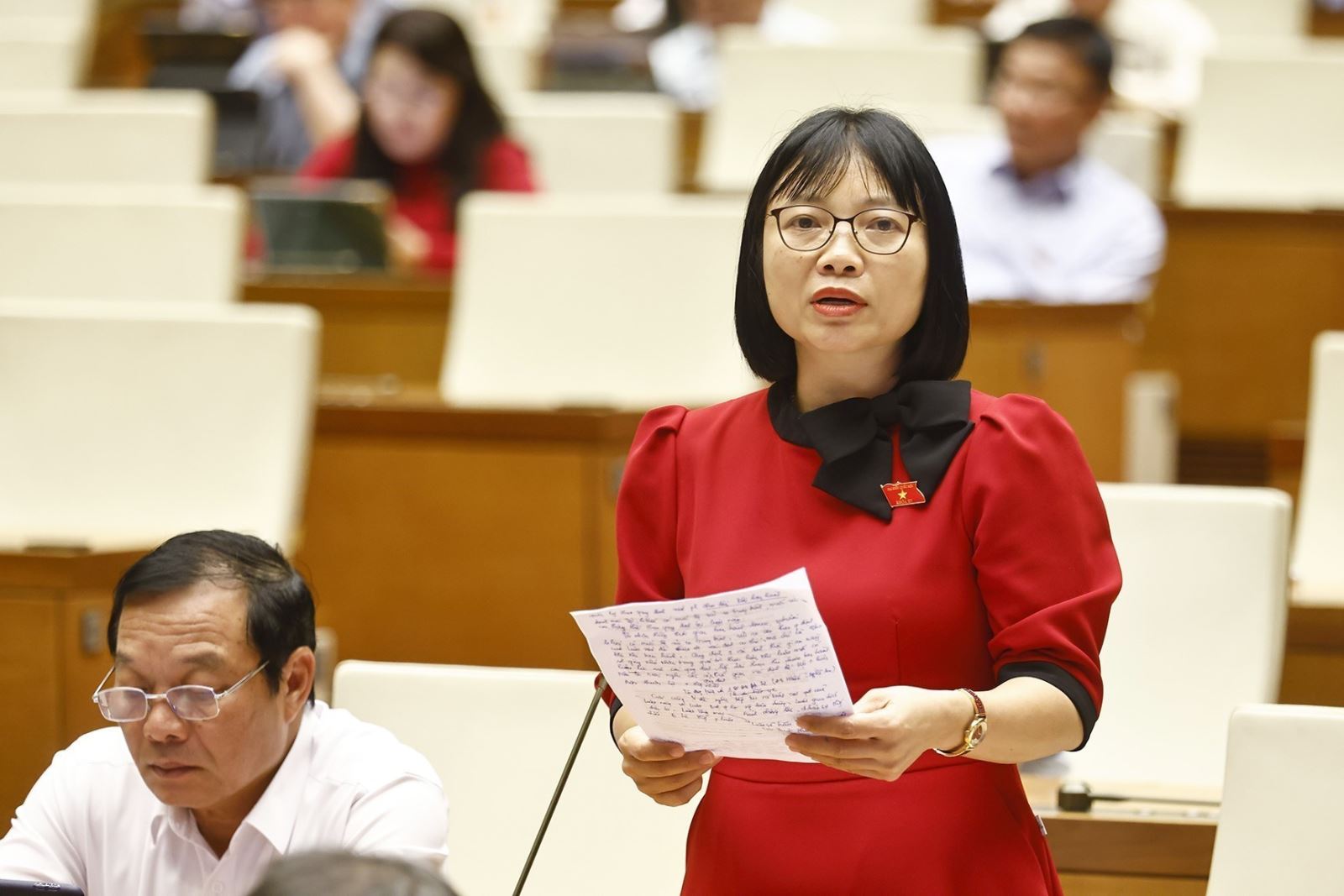
The press has always been a channel of communication between the National Assembly and the people and overseas Vietnamese. For National Assembly deputies, the press is a truly useful information channel, helping them gather information on existing issues and suggestions for solutions from constituents, experts, and journalists. This allows them to contribute practical opinions to legislative work and the monitoring of law and policy implementation in practice. The press helps deputies quickly grasp pressing issues of public concern. Based on this, they can conduct more specific and in-depth investigations, which are then addressed appropriately by the National Assembly, demonstrating the close and effective connection between the National Assembly and the people through the press.
It's time for journalists to leverage AI in their news production processes, in tasks where technology can replace human labor. This clarity will lead to increased efficiency and persuasiveness, allowing news organizations to focus their efforts on competitive, core products that create a unique identity.
The 100th anniversary of Vietnamese revolutionary journalism marks a milestone as the country enters a new era. General Secretary To Lam's vision and messages are inspiring strong development at all levels, in all sectors, among every Party member, voter, and citizen nationwide. The vibrant reality demands the efforts of the press, making a worthy contribution to propelling the country steadily towards a prosperous, civilized, thriving, and happy future.
The News and Nation newspaper regularly updates and provides detailed, in-depth coverage of the National Assembly's activities and pressing social issues of concern to National Assembly deputies. The newspaper also serves as a channel for reflecting the opinions and suggestions of voters to the National Assembly, helping deputies to promptly understand the thoughts and aspirations of the people so they can propose and implement appropriate policies. The information in the News and Nation newspaper is multi-faceted, offering in-depth analysis of many socio-economic issues, contributing to social oversight and criticism, and helping National Assembly deputies to more comprehensively analyze issues, thereby improving the effectiveness of their work.
Assoc. Prof. Dr. Do Chi Nghia (Permanent Member of the National Assembly's Committee on Culture and Society)
Source: https://baotintuc.vn/thoi-su/bao-chi-voi-ky-nguyen-vuon-minh-cua-dan-toc-20250616211422826.htm






































































Comment (0)