

Vietnam is facing a great opportunity to join the global value chain in the semiconductor industry – a high-tech sector considered the "backbone" of the digital economy .
Experts have proposed strategic directions, ranging from developing specialized chips to building an innovation ecosystem, to make Vietnam an attractive destination in this industry.
Focus on developing specialized mid-range chips instead of engaging in a technology race.
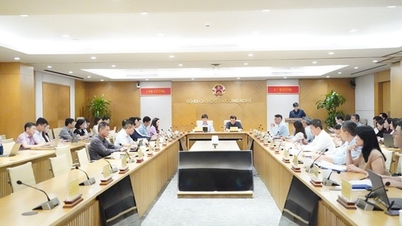
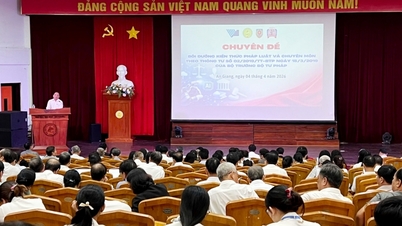
Speaking at the seminar "Special Policies for the Development of National Strategic Technologies" on April 17th, leading scientists and experts all agreed that Vietnam should orient its semiconductor industry towards developing mid-range, specialized chips such as those used in telecommunications, citizen identification cards, IoT, or cryptography, instead of chasing cutting-edge technology.
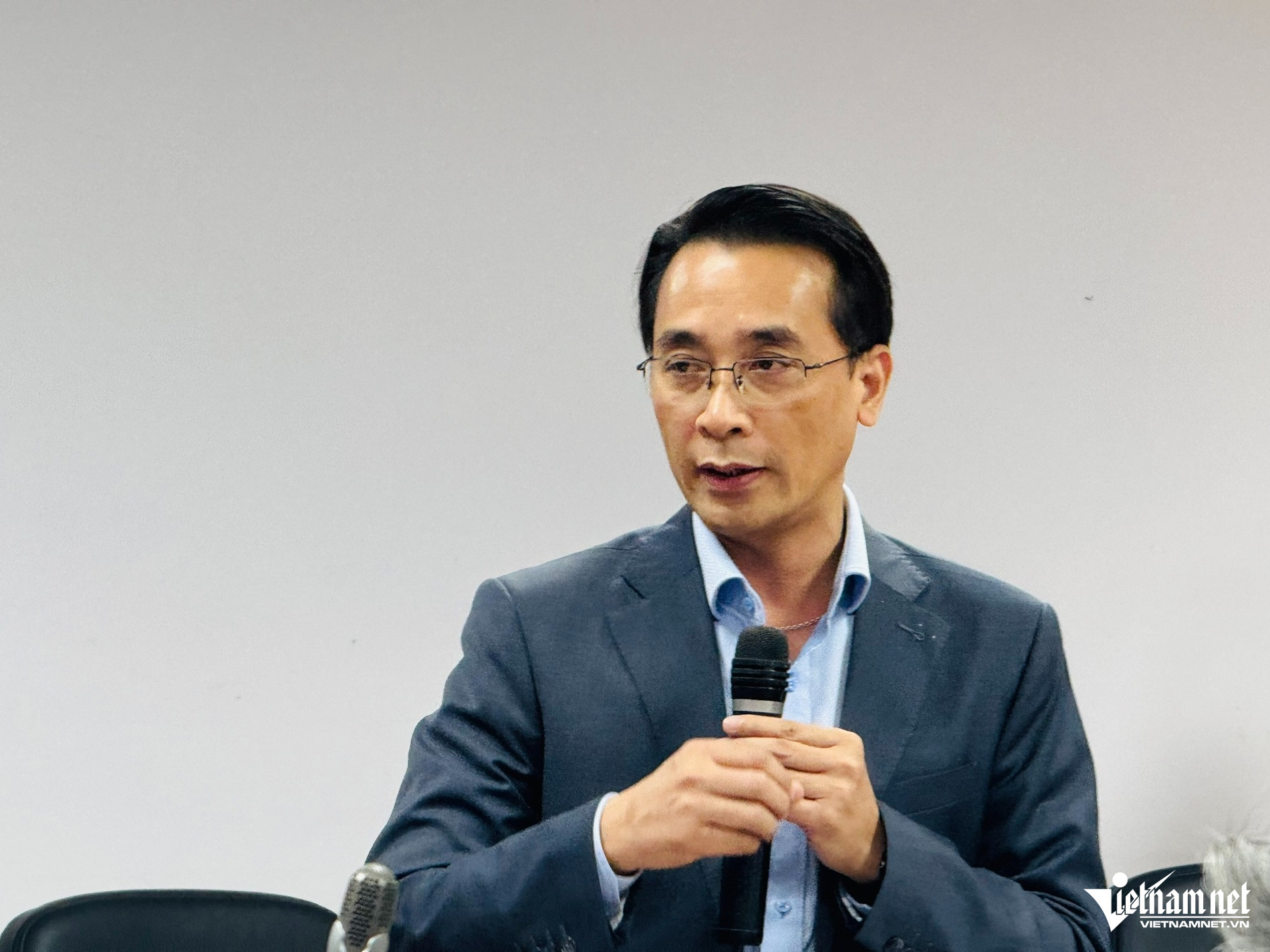
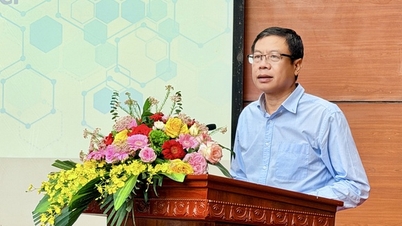
According to Professor Tran Xuan Tu, Director of the Institute of Information Technology and Semiconductors, Vietnam National University, Hanoi , Vietnam could focus on open-source RISC-V microprocessors, similar to some countries like China. This solution would help us reduce our dependence on proprietary closed-source software from foreign countries.
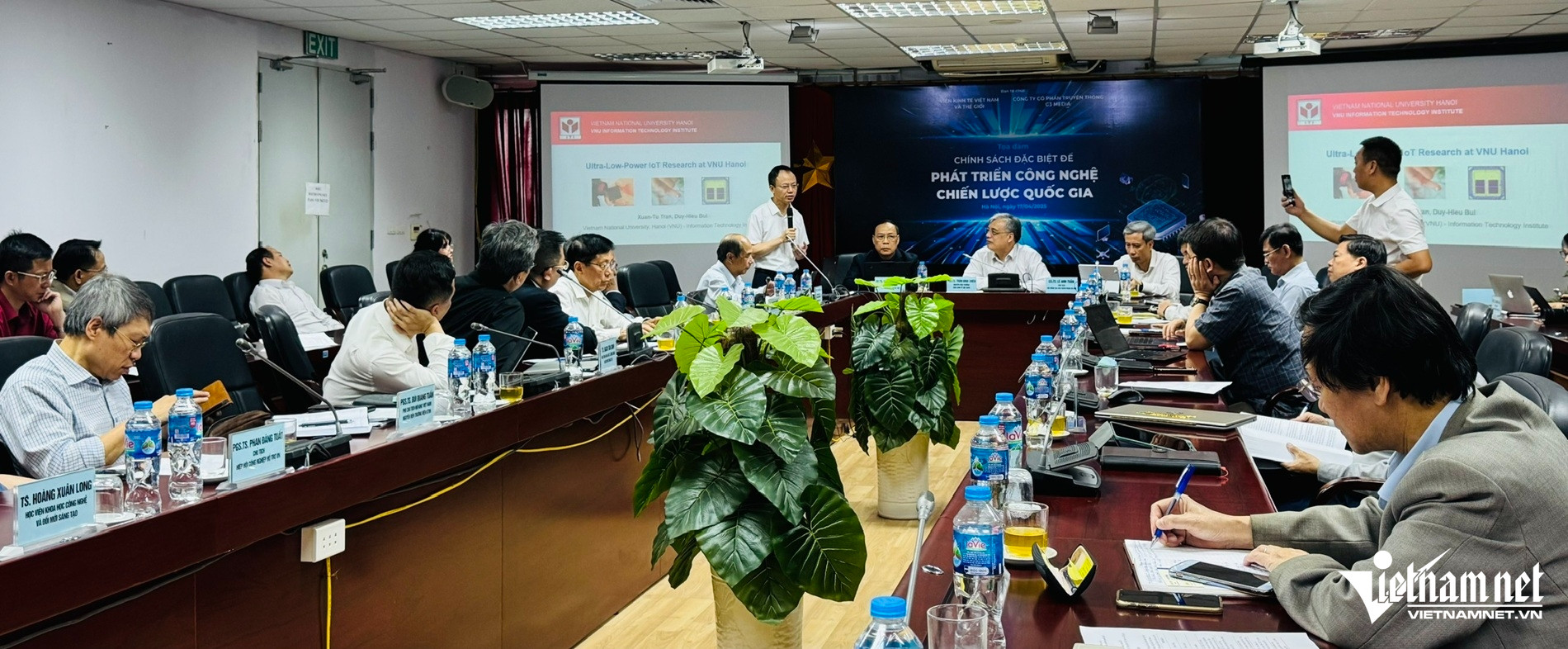
According to him, semiconductors are a very high-tech field, and getting a product accepted by the market is not easy. He suggested the simplest approach is to establish an IP bank specifically for Vietnamese designs to share for free or at low cost.
The bank will support research teams, while design providers receive feedback during practical use to further refine their designs. "Once applied to multiple projects, commercialization will be very easy," he said.
He also emphasized the need for a semiconductor manufacturing plant, whether large or small, to serve national defense and security, and stressed the importance of focusing on advanced packaging technology.
In practice, companies like FPT Semiconductor have started designing chips for IoT, while Viettel supplies chips for 5G networks.
Professor Chu Duc Trinh, Rector of the University of Technology, Vietnam National University, Hanoi, stated: "Semiconductor technology is an extremely open industry, but it is only for the best companies, the best people, and those with good technology. To realize the dream of a rich and strong nation, first and foremost, our output products must be marketable in the global market."
Breakthrough mechanisms and innovation ecosystems
To realize its potential, Vietnam needs strategic mechanisms and close coordination between the government, businesses, and research institutions.
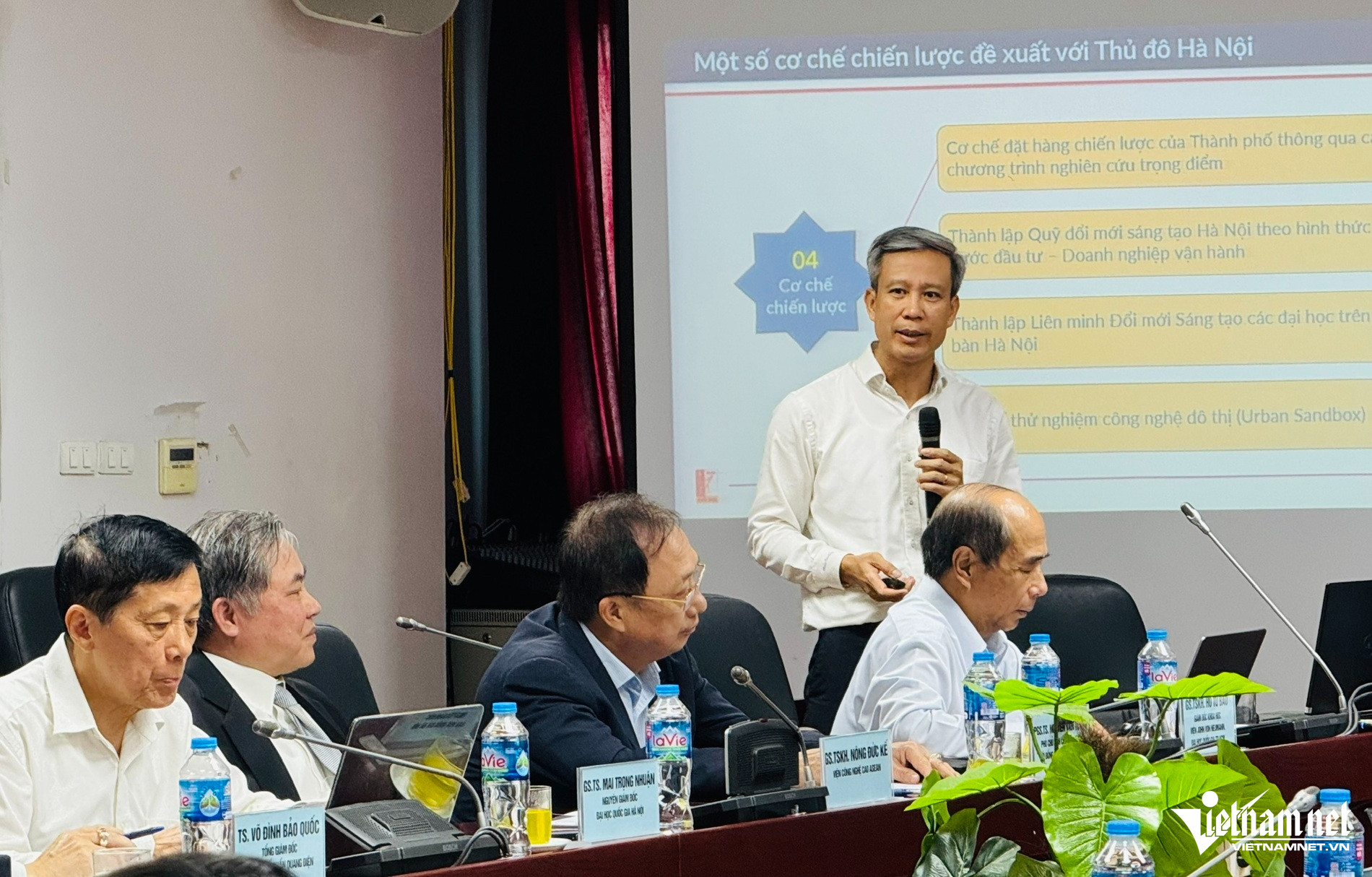
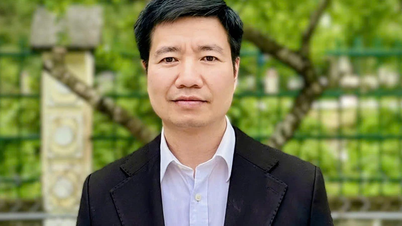
Professor Dr. Le Anh Tuan, Chairman of the Hanoi University of Technology Council, proposed that Hanoi implement a mechanism for commissioning key research projects; establish an innovation fund with state investment and enterprise operation; and form an innovation alliance among universities.
He emphasized the role of large enterprises – which have a significant demand for semiconductor chips – in supporting laboratories and facilities: “There needs to be a mechanism to mobilize financial resources from society and businesses, combined with the intellectual workforce from institutions such as universities and research institutes.”
Regarding the ecosystem, Professor Tran Xuan Tu proposed a model of a collaborative center between universities to share expensive equipment. "If every institution invests in lithography machines and manufacturing equipment, the state budget will not be sufficient," he warned.
He also called for the creation of a more open mechanism for cooperation with professors and scientists both domestically and internationally. He cited the example of how complicated the procedures are for organizing international conferences, with processes taking 5-6 months.
In addition, he suggested that businesses should identify what technologies they will be developing in the next 5-10 years and use that as a starting point for investing in science and technology, as well as investing in research institutes and universities.
This will foster closer ties between schools and businesses, and ensure they are ready to meet businesses' demands for expert personnel when implementing new technologies in the future.
From a business perspective, Dr. Vo Dinh Bao Quoc, General Director of Quang Dien Joint Stock Company, recommends that Vietnam study how Malaysia organized its free trade zone to attract semiconductor investment since 1972.
Furthermore, Vietnam's semiconductor industry should also focus on technologies that are being forced to shift away from traditional manufacturing bases due to geopolitical factors.
For long-standing supply chains to shift to Vietnam, interventions are needed across multiple areas, including diplomacy, economic security, tariff policies, and lobbying.
With clear directions and close coordination between the government, businesses, and research institutions, Vietnam has the opportunity to create a breakthrough in the semiconductor industry and move up the global value chain.
Source: https://vietnamnet.vn/ban-dan-cuc-mo-nhung-chi-danh-cho-nguoi-gioi-2392410.html

























































































Comment (0)