


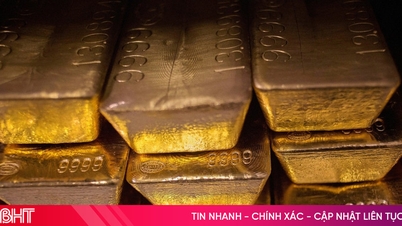
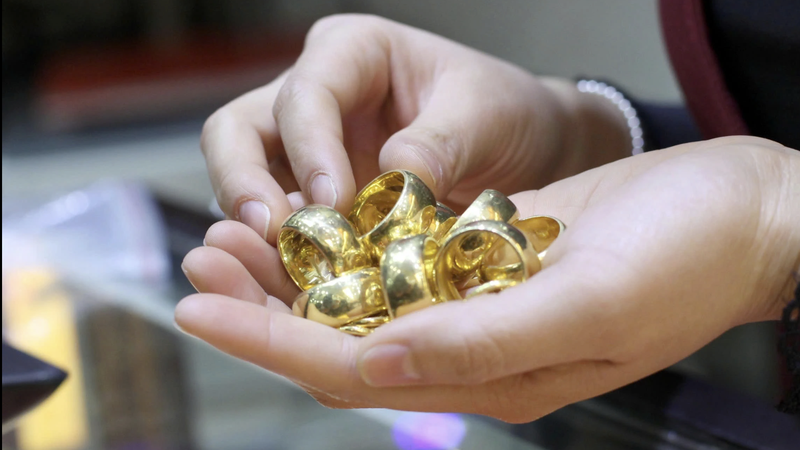
DNVN - The top three reasons to hold gold today include its long-term value (88%), its performance during crises (82%), and its role as an effective tool for portfolio diversification (76%).
According to the latest data released by the World Gold Council on June 18, more than four-fifths of central bank survey participants said they expect regulators to continue increasing gold reserves over the next 12 months. This is the highest level recorded since the annual survey began.
The 2024 Central Bank Gold Reserves Survey (CBGR) collected data from 70 central banks worldwide, revealing that nearly 30% of central banks plan to increase their gold reserves in the coming year. Despite record high gold prices in 2024 and consecutive purchases by central banks over the past two years, gold remains a favored reserve asset for central banks globally.
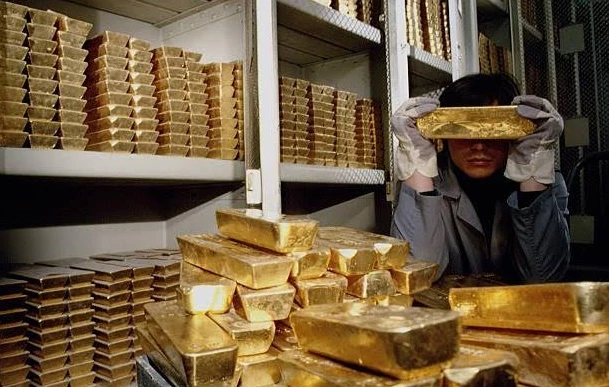
Gold is an effective tool for diversifying investment portfolios.
According to the report, reserve managers said they turn to gold to mitigate risk and cope with future global political and economic uncertainties. While 7 out of 10 managers (71%) still view gold's legacy as a reason to hold, other reasons have become more prevalent this year. The top three reasons for holding gold now include its long-term value (88%), its performance during crises (82%), and its role as an effective portfolio diversification tool (76%).
Central banks in developing and emerging market (EMDE) economies maintain a positive outlook on the future weighting of gold in their reserve portfolios.
Notably, this view is echoed by central banks in developed economies that currently hold a more positive outlook on gold: More than half (57%) of these banks indicated that gold would account for a higher proportion of their reserves over the next five years, a significant increase from 2023 (when 38% of respondents shared the same view).
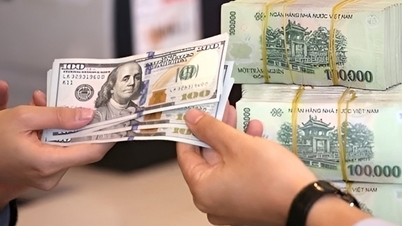
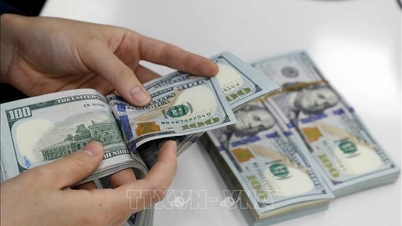
Central banks in developed economies have also become more pessimistic in their assessment of the share of the US dollar in global reserves, although this view is generally more prevalent in developing and emerging markets. More than half (56%) of those representing developed economies believe that the share of the US dollar in global reserves will decline (up 10 percentage points year-on-year), while 64% of those representing EMDEs share the same view.
Shaokai Fan, Regional Director for Asia Pacific (excluding China) and Global Central Bank Director at the World Gold Council, said: “Unusual market pressures, unprecedented economic uncertainty and political upheaval around the world have kept gold at the forefront of central bank minds. Many of these institutions have become more aware of the value of gold as a way to manage risk and diversify portfolios.”
It is noteworthy that despite record-high demand from central banks over the past two years and the continued rise in gold prices, many reserve managers remain enthusiastic about gold. While influencing factors such as price may temporarily slow buying activity in the near future, the broader trend persists as managers recognize gold's role as a strategic asset in the context of ongoing uncertainty.
Phan Minh
Source: https://doanhnghiepvn.vn/kinh-te/ba-ly-do-de-nam-giu-vang/20240619021655076





















![[Photo] White pear blossoms bloom across the border of Pho Bang](https://vphoto.vietnam.vn/thumb/1200x675/vietnam/resource/IMAGE/2026/02/24/1771927665653_a8-8280-jpg.webp)
![[Photo] Head of the Central Propaganda and Mass Mobilization Department visits and congratulates the Ministry of Health and the Military Traditional Medicine Institute.](https://vphoto.vietnam.vn/thumb/1200x675/vietnam/resource/IMAGE/2026/02/24/1771938483290_img-2682-3562-jpg.webp)
![[Image] A dreamy "livable city" under pink clouds](https://vphoto.vietnam.vn/thumb/1200x675/vietnam/resource/IMAGE/2026/02/24/1771930060937_tp4-jpg.webp)
































































Comment (0)