

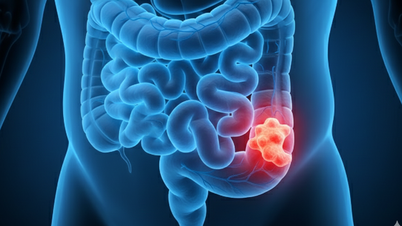
Replacing red meat and processed meat with dairy, fruits and vegetables, fatty fish, and legumes can help reduce the risk of colorectal cancer.
Colorectal cancer occurs in both men and women, but is more common in men. People over 50, those with diabetes, inflammatory bowel disease, or colon polyps are at a higher risk of developing this type of cancer.
Adopting a healthy lifestyle, exercising, maintaining a healthy weight, avoiding exposure to toxins, and choosing healthy foods can help reduce the risk of disease.
Below are foods that should be prioritized or limited to help prevent colorectal cancer.
Should eat
Milk Rich in calcium, it contributes to increased immunity, benefits overall health, and reduces the risk of colorectal cancer. Consuming foods rich in vitamin D or vitamin D supplements along with milk helps increase resistance to this type of cancer.
Whole grains are rich in nutrients, providing magnesium and fiber that are beneficial to the body. Fiber keeps stool moving and can help remove carcinogenic compounds from the rectum. A person can consume about 90g of whole grains daily, such as oatmeal, whole-grain bread, or brown rice. Varying the types and preparation methods will prevent boredom.
Legumes such as soybeans, peas, and lentils are rich in fiber, protein, and vitamins B and E. The flavonoid compounds in legumes contribute to preventing tumor growth. Legumes also contain several antioxidants that can protect the digestive system and reduce the risk of colorectal cancer. Legumes can be used in soups, desserts, and stews.
Colorful fruits and green vegetables These foods are also among those recommended for preventing colorectal cancer. They contain natural substances (phytochemicals) that help inhibit the growth of cancer cells and fight inflammation, which can easily lead to cancer.
Fruits and vegetables rich in fiber and vitamins are part of a healthy diet. Prioritize cruciferous vegetables, including kale, broccoli, and cabbage, and fruits rich in vitamin C such as oranges and grapefruits.

Fruit salad is good for your health. Photo: Anh Chi
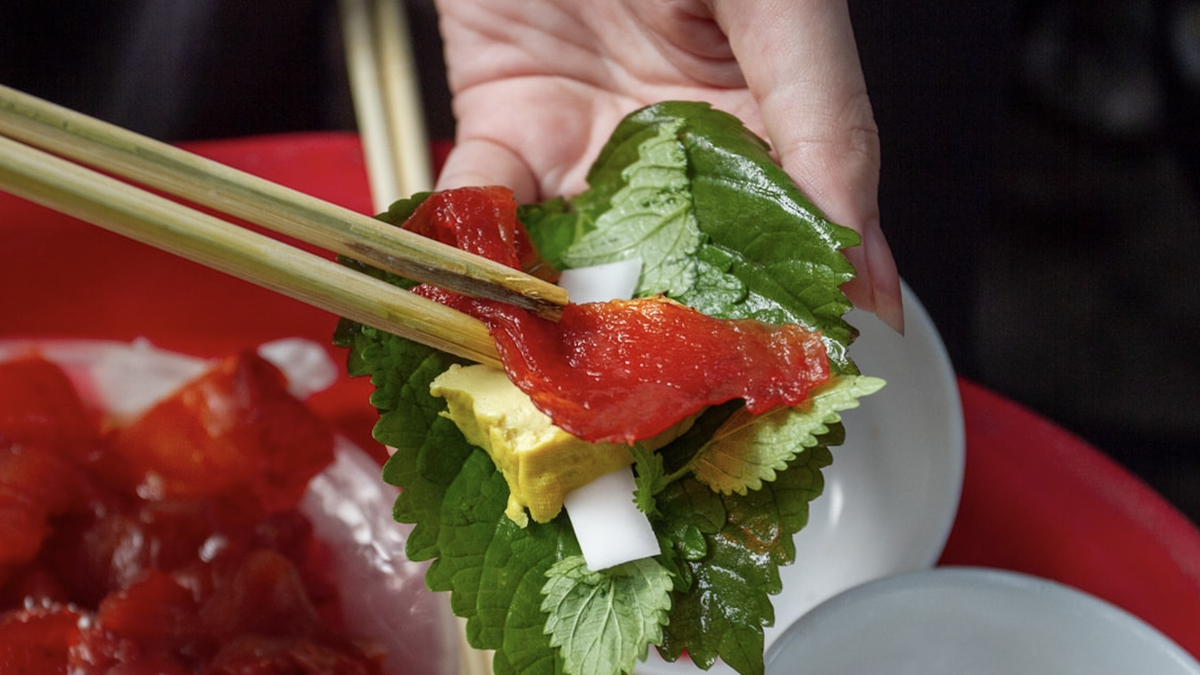
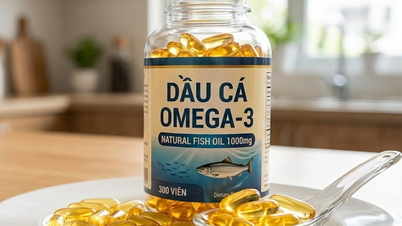
Fatty fish like salmon are rich in omega-3 fatty acids, which are good for cardiovascular health and can slow the growth of cancer cells. Besides eating fish, you should reduce your intake of red meat and processed meats, and increase your consumption of green vegetables and fruits. Limit your intake of fish high in mercury, such as swordfish, tuna, tilefish, and mackerel, as these can be harmful to your health.
Should be limited
Red meats such as beef, pork, and lamb increase the risk of colorectal cancer. The substance haem, which gives meat its red color, can weaken cells, creating conditions for bacteria to produce harmful toxins, leading to cancer.
The risk of cancer increases if red meat is cooked at high temperatures, heavily seasoned, and undergoes many processing steps.
You should eat less than 500g of red meat per week, prioritizing fresh, minimally processed, and lightly seasoned options.
Processed meats , including sausages, hot dogs, bacon, and ham, are heavily salted, preserved with chemicals, and undergo multiple processing steps. These processes cause nitrites to convert into carcinogenic N-nitroso compounds or NOCs. Heterocyclic amines (HCAs) and polycyclic amines (PCAs), produced when cooking meat at high temperatures, can also damage the intestines and increase the risk of colorectal cancer.
Drinking more than 2-3 glasses of alcohol per day increases the risk of developing the disease by 40%. According to WebMD , occasional drinking of a glass of wine does not appear to affect the likelihood of developing colorectal cancer.
( According to WebMD )
| Readers can ask questions about cancer here for doctors to answer. |
Source link




























































































Comment (0)