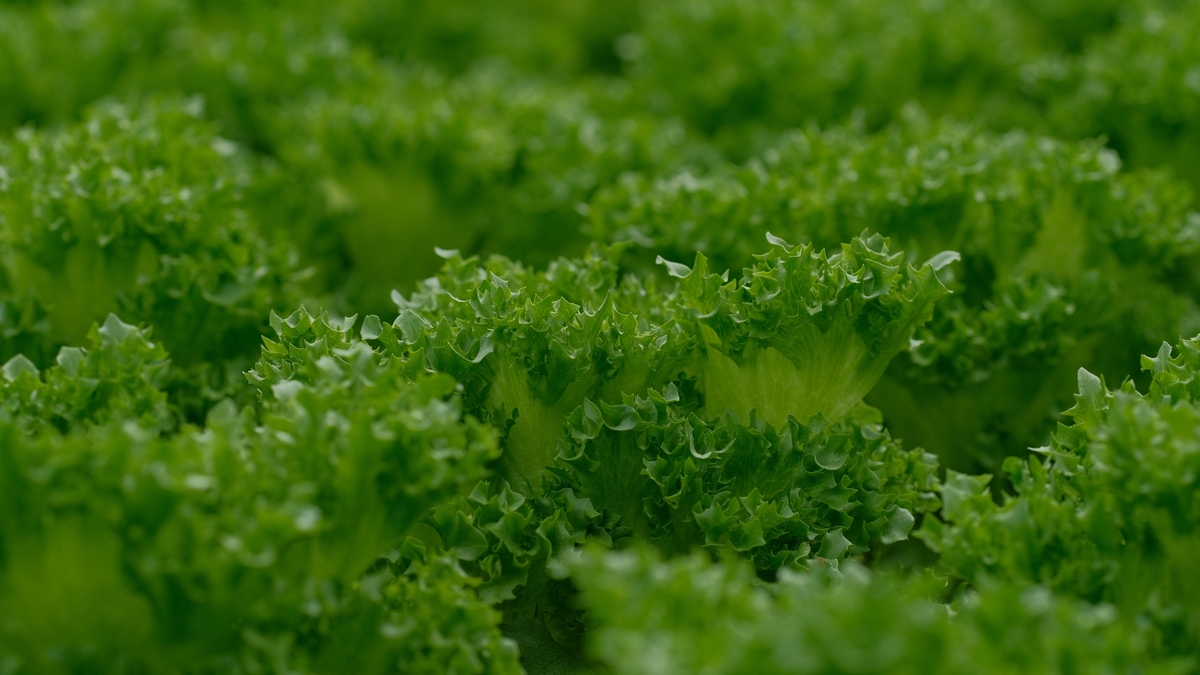
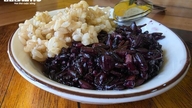
In reality, dishes like steamed shrimp and fish in beer, or beef stew, are often mixed with various spices, so the alcohol content is not as high as when consumed directly. Eating these foods does not affect the ability to drive, but it will still result in alcohol being detected in the breath.
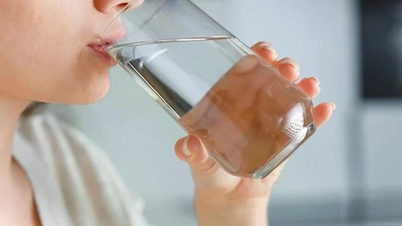
To avoid having your blood alcohol level inflated, after eating, simply rest for 30 minutes, rinse your mouth, and drink some water. If the reading is still high, you can request to rest for another 15 minutes and then retake the test.
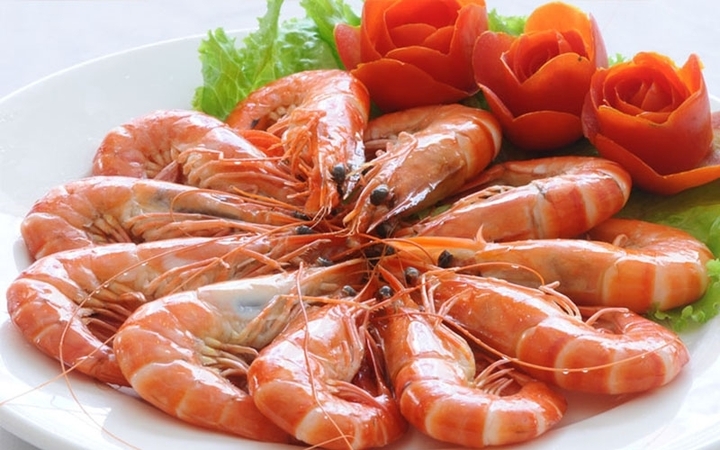
Using beer to steam shrimp is a common cooking method for many people. (Illustrative image)


Based on the widespread practice of alcohol consumption among the population in most countries around the world, the World Health Organization (WHO) has introduced the concept of an alcohol unit.
One unit of alcohol is equivalent to 10g of pure ethanol, which is equal to 200ml of beer; 75ml of wine (1 glass); or 25ml of spirits (1 shot). The approximate number of units of alcohol will depend on the amount consumed.
For a healthy adult, the liver can eliminate about one unit of alcohol every hour. This is an average figure. Depending on the individual, such as those with weak livers or those who are overweight, this time may increase or decrease.
In addition, factors such as medical conditions, age, weight, or a large amount of food in the stomach can slow down the rate of alcohol absorption and consequently slow down its elimination.

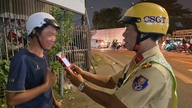
Regarding the body's mechanism for eliminating alcohol, approximately 10-15% is eliminated through respiration, skin, and sweat. About 85-90% is processed by the liver.
There is currently no absolute figure for how long after drinking alcohol one can safely drive, or how long it takes for alcohol to completely disappear from the body. The exact time it takes for alcohol to be completely eliminated from the body varies from person to person.
Source: https://vtcnews.vn/an-tom-hap-bia-co-len-nong-do-con-ar902059.html
![[Image] Ho Chi Minh City: Ma Lang area, Chicken-Rice Market about to change its appearance](https://vphoto.vietnam.vn/thumb/1200x675/vietnam/resource/IMAGE/2026/06/25/1782377698627_ndo_br_m1-jpg.webp)


![[Image] Schools organize meetings and introduce teaching models to students admitted to grade 10.](https://vphoto.vietnam.vn/thumb/1200x675/vietnam/resource/IMAGE/2026/06/25/1782368077271_ndo_br_z7970052192242-1ec8daeb77a6eed1a4e9f58c564ddd3e-jpg.webp)
![[Photo] General Secretary and President To Lam receives Palestinian Ambassador Saadi Salama](https://vphoto.vietnam.vn/thumb/1200x675/vietnam/resource/IMAGE/2026/06/25/1782365384740_a1-bnd-9423-8322-jpg.webp)