


People with high cholesterol and triglycerides should eat whole grains and foods rich in healthy fats such as fatty fish, olive oil, and avocados.
Cholesterol and triglycerides (neutral fats) are both fats found in the body. Cholesterol is produced in the liver and plays an essential role in hormone production and cell membrane structure. There are two types of cholesterol: bad cholesterol (LDL) and good cholesterol (HDL).
Triglycerides are stored inside fat cells, providing energy for many functions. The body can convert some consumed foods into triglycerides and cholesterol. High levels of LDL cholesterol and triglycerides are both bad for the heart.
Changing your diet can offer many benefits, thereby reducing your risk of heart disease.
Healthy fats
Fats are divided into two types: good and bad. Unsaturated fats are beneficial, while saturated and trans fats can increase the risk of heart disease. Reducing saturated fats in your diet can help control cholesterol and triglycerides.
The American Heart Association recommends that saturated fat should not be the primary source of daily calories. For example, if a person consumes 2,000 calories per day, the corresponding amount of saturated fat should be 10-12 grams.
This type of fat is abundant in meat, dairy products, and some plant-based oils such as coconut, palm, and palm kernel oil. Increasing the intake of monounsaturated and polyunsaturated fats found in olive oil, avocados, nuts, and seeds contributes to improving blood cholesterol levels.
Omega-3 fatty acids, unsaturated fats found in flaxseed, walnuts, and some fatty fish like salmon, mackerel, and sardines, can also be beneficial.
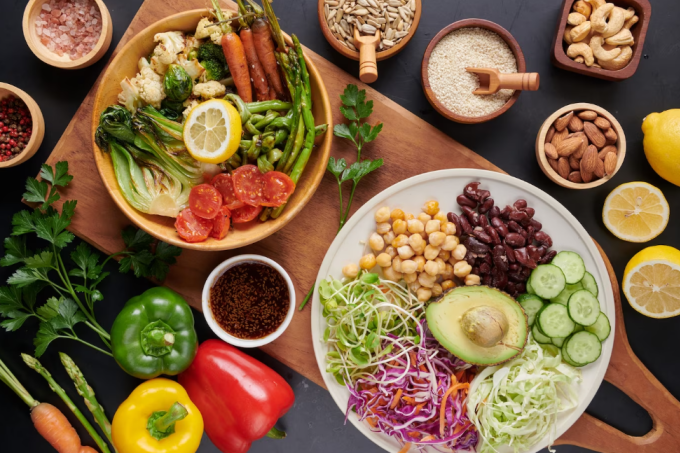
Unsaturated fats, found in nuts and avocados, contribute to improved cholesterol levels. (Image: Freepik)
Whole grains
A diet rich in whole grains can reduce the risk of heart disease by controlling fat intake, improving blood pressure, blood sugar, triglycerides, and high cholesterol. These foods also promote satiety, contain soluble fiber which can prevent hyperglycemia, and are beneficial for people with diabetes.
Eat at least three servings of whole grains each day, each serving equivalent to half a cup of oatmeal, a slice of whole-grain bread, or half a cup of brown rice.
Plant-based foods
Vegetables, fruits, legumes, and tofu offer numerous nutritional benefits. They are low in calories and saturated fat but rich in fiber, potassium, and other beneficial nutrients. Eating plant-based foods may not increase levels of bad fat and cholesterol.
Those unfamiliar with this diet can start by replacing meat with plant-based proteins. For example, instead of eating beef, eat beans or tofu; replace processed foods with whole foods; eating whole fruits is better than bottled juices...
People with high cholesterol and triglyceride levels should control their calorie intake. When you eat too much unhealthy fat or foods containing empty calories (like soda and sweets), the excess calories are converted into triglycerides and stored as body fat.
Bao Bao (According to Eating Well )
| Readers can post questions about cardiovascular diseases here for doctors to answer. |
Source link




































































































Comment (0)