

Mung beans are rich in antioxidants, vitamin C, and fiber, which help reduce inflammation and fight free radicals that damage cells and lead to cancer.
Mung beans are packed with nutrients and are a popular ingredient in many dishes. According to the U.S. Department of Agriculture , one cup of raw mung beans (125 g) contains 31 calories, 1.8 g of protein, 7 g of carbohydrates, 2.7 g of fiber, and 0.2 g of fat, along with many other beneficial micronutrients.
A 2020 review by Bellarmine University (USA), based on 10 studies, showed that mung beans contain several phytonutrients such as phenols, carotenoids, and flavonoids. These substances act as antioxidants that help fight inflammation in the body, and inflammation is a cause of chronic diseases. Therefore, they may reduce the risk of developing certain cancers, arthritis, diabetes, etc.
According to the U.S. National Institutes of Health , eating foods containing antioxidants, such as green beans or other fruits and vegetables, contributes to a reduced risk of cancer and diabetes. This is because the compounds in green beans combat oxidative stress – a condition where the body produces too many free radicals that damage cells and lead to disease.
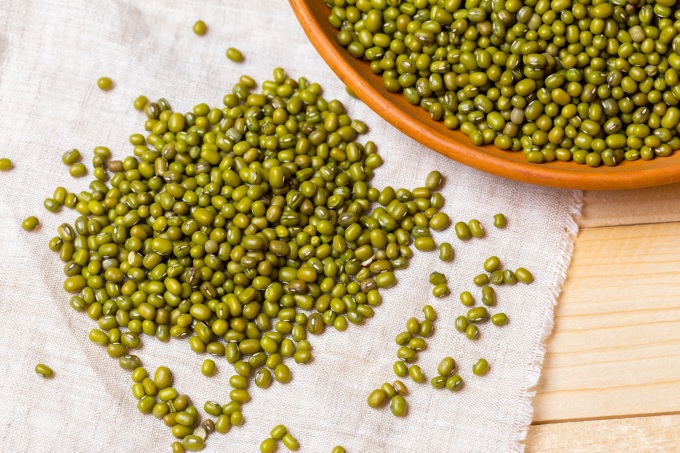
Mung beans are rich in fiber and antioxidants, which are beneficial for health. Photo: Freepik
According to the U.S. Department of Agriculture, green beans are a rich source of vitamin C. A diet rich in vegetables, beans, and fruits containing vitamin C helps the immune system function well and allows the body to absorb nonheme iron. Nonheme iron is a plant-based form of iron found in green beans.
Vitamin C also plays a crucial role in fighting infections and healing wounds, according to the Harvard TH Chan School of Public Health (USA). Eating these beans not only helps wounds heal faster, but vitamin C also combats free radicals in the body, helping to prevent cancer and heart disease.
Mung beans are also rich in fiber. According to the American Nutrition Association, fiber takes longer to digest, thus increasing feelings of fullness. This helps reduce food intake, contributing to weight loss and preventing obesity. The fiber in mung beans can lower cholesterol and blood sugar levels, limiting the risk of developing diabetes. Overweight and diabetes are also two risk factors for cancer.
Mung beans can be used in soups, stews, desserts, baked goods, or added to salads, offering many health benefits. However, they should not be overcooked as this can reduce the amount of beneficial nutrients.
Mai Cat (According to Everyday Health )
| Readers can ask questions about cancer here for doctors to answer. |
Source link




![[Image] The appearance of the Bien Hoa-Vung Tau expressway before its opening.](https://vphoto.vietnam.vn/thumb/1200x675/vietnam/resource/IMAGE/2026/03/25/1774430324663_ndo_br_2-resize-6064-jpg.webp)






















































































Comment (0)