

Egyptian election and information officials have denied the possibility of holding an early presidential election in the North African country.
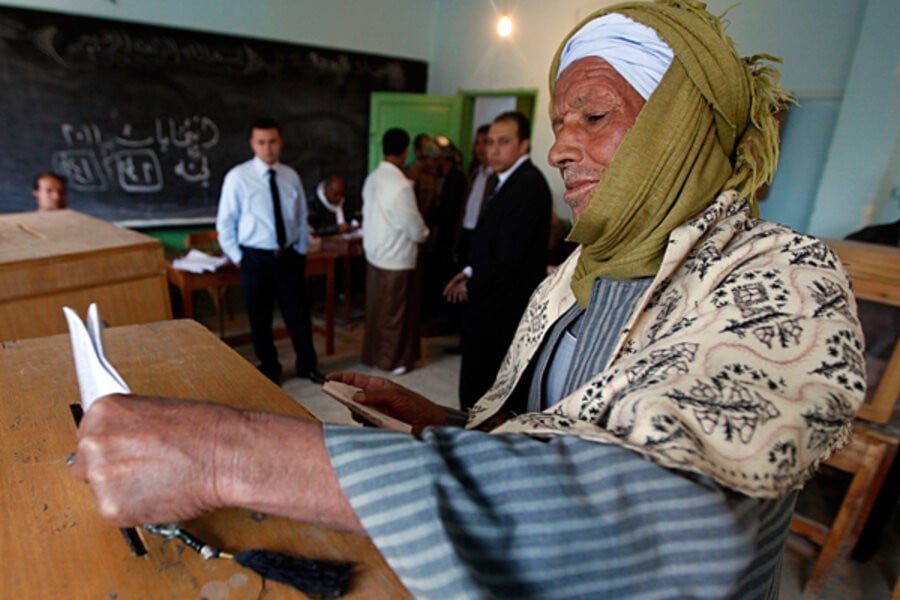 |
| According to the Constitution, the process of electing the Egyptian president must begin at least 120 days before the end of the current president's term, and the election results must be announced at least 30 days in advance. (Source: AP) |
According to Diaa Rashwan, the Coordinator of the National Dialogue and Chairman of the State Information Administration of Egypt (SIS), the process of electing the president of the republic must begin at least 120 days before the end of the presidential term, and the election results must be announced at least 30 days in advance.
Dia Rashwan's explanation came at a time when foreign media were widely reporting rumors that Cairo would hold early presidential elections. The official stated that this was not an early election, but simply a process carried out according to legal procedures.
President Abdel-Fattah El-Sisi's term began on April 2, 2018, and ends on April 2, 2024. This means that the nomination procedures and announcement of the presidential election date must take place before December 3 of this year. Any timeframe exceeding this deadline will be invalid.
The Egyptian constitution only allows for early presidential elections in certain exceptional circumstances. Specifically, Article 161 states that elections will be held earlier than scheduled if the House of Representatives votes no confidence in the president. The process is completed after the submission of a reasonable motion signed by at least a majority of the members of the House of Representatives and approved by two-thirds of the legislative body.
In addition, the president serves a six-year term and cannot hold the office for more than two consecutive terms. A presidential candidate must receive the support of at least 20 members of the House of Representatives or obtain the signatures of at least 25,000 citizens, all of which are obtained through direct secret ballot.
Mahmoud Fawzi, Secretary-General of the National Dialogue, said that some have argued that the presidential term ending on June 30 goes against the spirit of the Constitution.
Source



































































































Comment (0)