


Broccoli, walnuts, tomatoes, mushrooms, and berries contain plant compounds and antioxidants that help prevent cancer.
Nutritionists advise people to limit processed foods, salty foods, and sugary drinks. Instead, building a healthy diet with plenty of fruits and vegetables will be beneficial for health. Fruits and vegetables also contain many vitamins and minerals that improve overall health and help prevent cancer.
Garlic
Garlic has the potential to protect the body against cancer, helping to prevent the growth of cancer cells. This benefit stems from its ability to increase the activity of natural killer (NK) cells and macrophages (a type of white blood cell crucial for immunity). People can eat raw garlic instead of cooked garlic to reap even more benefits.
Mushroom
Mushrooms such as shiitake, oyster, and maitake contain ergothioneine, an antioxidant that helps protect blood cells, especially white blood cells and red blood cells. Supplementing with this antioxidant helps the body fight oxidative stress and reduces the risk of cancer.
A study published in the journal Advances in Nutrition in 2021 found that people who ate about 30 grams of mushrooms per day had a 45% lower risk of developing cancer compared to those who did not. The data was analyzed by scientists at Penn State University School of Medicine (USA) from 17 cancer studies published between 1966 and 2020, involving more than 19,500 patients.
Broccoli
Broccoli is a source of sulforaphane, glucosinolates, phenolics, and antioxidant vitamins. Additionally, this vegetable contains vitamins C, A, E, and K, and minerals including selenium, zinc, and iron. These nutrients are responsible for antioxidant, anti-inflammatory, and immune-boosting activities.
Jed Fahey, a nutritional biochemist at Johns Hopkins University School of Medicine in the US, says broccoli contains a significant amount of sulforaphane. It can help reduce inflammation, boost protective enzymes, and eliminate carcinogenic chemicals. This compound also has protective effects on the body, contributing to the prevention of prostate, lung, liver, stomach, and colon cancers.
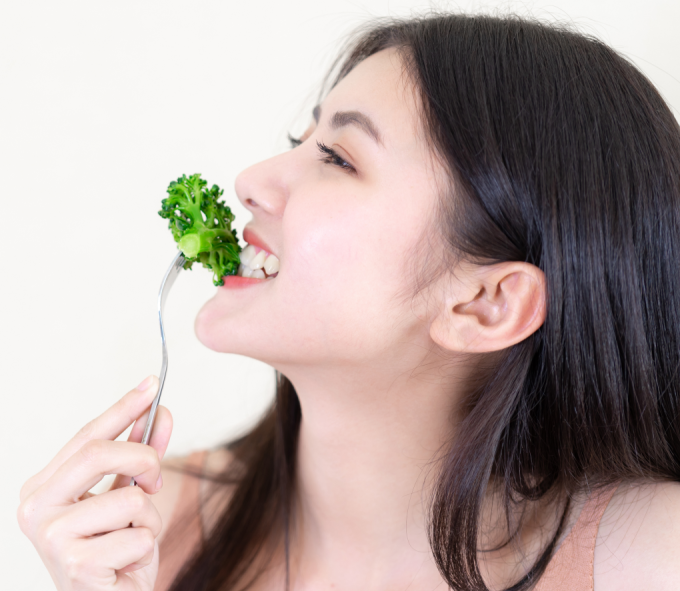
Eating broccoli helps reduce the risk of cancer. Photo: Freepik
Tomato
Tomatoes possess anti-cancer properties thanks to glycoalkaloids and tomatine. These two substances can support the regulation of the body's cell cycle and destroy cancer cells. Lycopene, in particular, can inhibit the growth of cancerous tumors and contribute to the fight against prostate cancer. Eating cooked tomatoes allows the body to absorb more lycopene.
Beans
Legumes such as peas, green beans, and lentils are low in fat, high in protein, and rich in insoluble fiber, supporting healthy digestion and gut health. They also contain anti-cancer compounds such as phenolic acids and anthocyanins—a type of flavonoid found in plants.
Berries
Berries such as strawberries, blueberries, and raspberries all contain phytochemicals (anthocyanins). These substances have anti-cancer properties by slowing the growth of precancerous cells and preventing the formation of new blood vessels. These fruits also contain the antioxidant ellagic acid, which helps reduce damage to normal cells and promotes cancer cell death during radiation therapy.
Walnut
Walnuts are rich in omega-3 fatty acids, tocopherols, phytosterols, and ellagic acid. These substances contribute to slowing the growth of breast, prostate, colon, and kidney cancers.
Apple
Eating apples with the peel on helps you supplement your intake of flavonoids and polyphenols. These powerful antioxidants offer anti-inflammatory and immune-boosting benefits. The more flavonoids you consume, the lower your risk of lung cancer.
Huyen My (According to Health, Very Well Health, AARP )
Source link





























![[Photo] Walking amidst the coffee blossoms in the Central Highlands](https://vphoto.vietnam.vn/thumb/1200x675/vietnam/resource/IMAGE/2026/02/22/1771736214034_ndo_bl_img-3460-8365-jpg.webp)




































































Comment (0)