Drinking peppermint or ginger tea, taking a 5-10 minute walk, and avoiding carbonated drinks after meals can help reduce bloating faster.
When you consume large amounts of food at one meal, many carbohydrates are broken down and fiber ferments, producing more gas and leading to bloating. Here are 7 ways to help reduce bloating.
Drinking water
Drinking water promotes hydration (replenishing water to the body's organs), reducing bloating. Water helps everything move smoothly through the digestive tract, leading to regular bowel movements, thereby reducing constipation and bloating.
Bloating can also be caused by eating too much salt. Drinking water can reduce this by flushing out excess sodium (salt) from the body. Drinking water before meals prevents post-meal bloating by creating a feeling of fullness and leading to reduced food intake.
Drink herbal tea
Drinking peppermint, ginger, or fennel tea can help prevent bloating. These teas have properties that relax the digestive tract and reduce gas. Ginger tea speeds up gastric emptying. Fennel helps alleviate stomach problems.
People with gastroesophageal reflux disease (GERD) should limit their consumption of peppermint tea because it can have the opposite effect, causing acid reflux.
Do not drink alcohol.

Drinking alcohol after meals makes bloating worse. This is because alcohol slows down digestion and increases water retention. Alcohol also causes more frequent urination, leading to dehydration. To minimize bloating, it's best to drink water instead.
Avoid carbonated drinks.
Drinking sugary drinks or soda after meals can cause belching, increased gas in the stomach, and more bloating. Avoiding gas-producing drinks and foods like beans is a good way to reduce this.
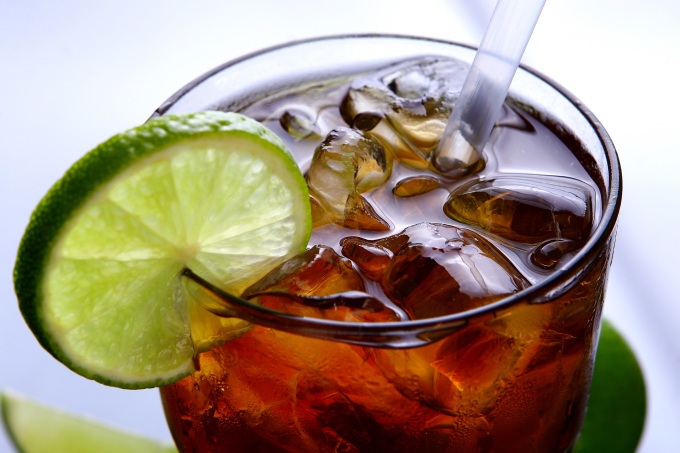
Drinking sugary soda after a meal can increase gas and cause more bloating. (Image: Freepik)
Avoid chewing gum.
Chewing gum causes you to swallow more air, leading to worse bloating. Air easily enters the intestines if you eat or drink too quickly, drink carbonated beverages, or chew gum.
Practice yoga
Gentle yoga poses such as child's pose and cat-cow pose can help relieve abdominal discomfort caused by bloating. Hold each pose for five deep breaths (inhale through the nose and exhale through the mouth) and repeat until you feel relief.
Practicing yoga activates the body's parasympathetic nervous system, or the rest-and-digest mode, allowing for better digestion of food.



Take a walk
Taking a short walk after a meal stimulates peristalsis and speeds up the process of stomach emptying. Just a 5-10 minute walk can have a positive effect. Light exercise after meals also yields similar results. Regular physical activity keeps the walls of the large intestine firm, making bowel movements easier and improving digestion.
Mai Cat (According to Everyday Health )
| Readers can ask questions about digestive diseases here for doctors to answer. |
Source link



![[Photo] "Hanoi Lotus Festival" honors the lotus flower that has been associated with Vietnam for thousands of years.](https://vphoto.vietnam.vn/thumb/1200x675/vietnam/resource/IMAGE/2026/06/27/1782516943048_sen-ha-noi-2026-minh-duy-1-jpg.webp)























































![[Infographic] Dong Thap: Construction is underway on 5 social housing projects.](https://vphoto.vietnam.vn/thumb/402x226/vietnam/resource/IMAGE/2026/06/27/1782545461160_infographic-dong-thap-dang-trien-khai-thi-cong-5-du-an-nha-o-xa-hoi20260626055136.webp)