

Inflammatory bowel disease, constipation, irritable bowel syndrome, and ulcerative colitis are common diseases affecting the intestines.
The intestines are part of the digestive tract that extends from below the stomach to the anus, and include the small intestine (small bowel) and the large intestine (large bowel). This organ performs functions such as transporting and digesting food, fighting off microorganisms, and controlling the body's water balance.
Dr. Vu Truong Khanh, Head of the Gastroenterology - Hepatology - Pancreas Department at Tam Anh General Hospital in Hanoi , stated that some common conditions and diseases affecting the intestines include:
Intestinal inflammation is an infection of the intestines caused by viruses, bacteria, or parasites. Symptoms usually last about 10 days and mainly include abdominal pain, diarrhea, nausea, vomiting, and fever.
Patients should drink plenty of water and replenish electrolytes to help control symptoms. Depending on the specific cause and symptoms, doctors may prescribe over-the-counter medications to reduce inflammation.
Constipation is a condition where the digestive tract is unable to eliminate stool, occurring due to a diet lacking in fiber, dehydration, hormonal imbalances, side effects of medication, or a sedentary lifestyle. Constipation is common in the elderly and young children.
To prevent constipation, people should eat plenty of fiber, probiotic yogurt, drink plenty of water, and exercise regularly. When constipation is severe, doctors may prescribe laxatives and fiber supplements to help improve symptoms.
Irritable bowel syndrome (IBS) is a group of symptoms that occur simultaneously and recur frequently, altering bowel motility and causing diarrhea, constipation, abdominal cramps, and irregular bowel movements.
This syndrome is more common in women, has no clear cause, and is not accompanied by any signs of intestinal damage. Prolonged stress and anxiety can increase the risk of developing irritable bowel syndrome. Building a balanced lifestyle, increasing physical activity, and maintaining a regular routine can help prevent the disease.
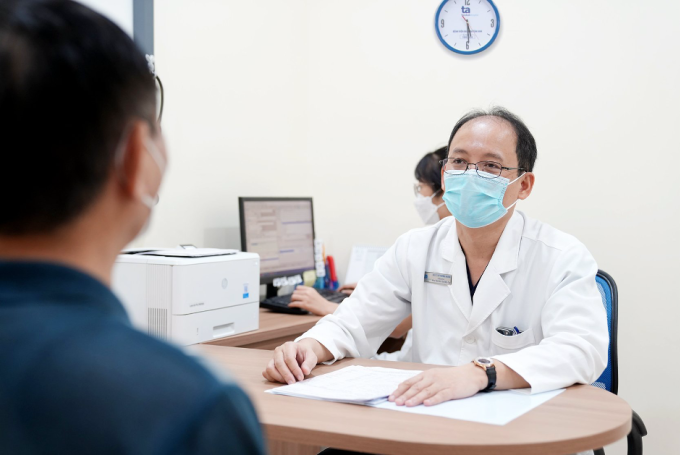
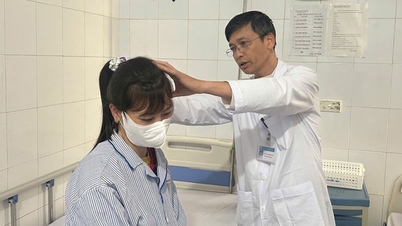
Doctor Vu Truong Khanh examines a patient at Tam Anh General Hospital in December 2023. (Illustrative photo: Provided by the hospital)
Ulcerative colitis causes symptoms such as abdominal pain and bloody, mucous stools. This disease is directly related to the immune system, where the body causes damage to the mucosal and submucosal layers of the colon.
If medication prescribed by a doctor proves ineffective, the patient may undergo surgery.
Crohn's disease causes chronic inflammation of the digestive tract and is classified as a chronic inflammatory bowel disease along with ulcerative colitis. Inflammation can occur anywhere in the digestive tract but primarily affects the lower part of the small intestine and the junction with the large intestine.
The damage caused by Crohn's disease can penetrate deep into the muscle layer or spread through all the upper layers of the intestinal wall. Common symptoms include abdominal pain, unexplained weight loss, loose stools with blood, and fever.
Doctors often prescribe immunosuppressant drugs or corticosteroids during the acute phase, and may apply biological therapy or surgery for the patient.
Colorectal cancer is quite common, a malignant disease frequently seen in people over 50, and can occur anywhere in the colon and rectum. Factors that increase the risk of developing the disease include obesity, being overweight, regular alcohol consumption and smoking, a sedentary lifestyle, and a diet high in red meat and meats containing preservatives.
Depending on the size, location of the tumor, and stage of the disease, the doctor will prescribe the appropriate treatment method, the most common of which is surgery.
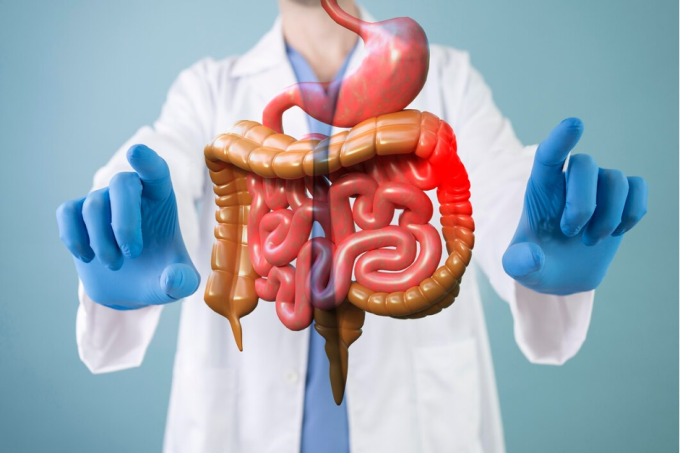
Malignant tumors occur in the colon and rectum, causing cancer. (Illustration: Freepik)
Dr. Khanh advises patients to proactively prevent intestinal diseases from an early age to avoid affecting their health. Important measures include eating a diet rich in fiber, supplementing with sufficient protein (from fish), fats, and carbohydrates in daily meals, and avoiding excessive consumption of red meat, spicy foods, and greasy foods. In addition, drinking plenty of water, getting enough sleep, exercising regularly, maintaining a relaxed and positive mood, and quitting smoking are also helpful.
Some severe cases can progress to dangerous complications later on. Doctor Khanh advises people with intestinal abnormalities to proactively monitor their condition and have regular check-ups.
Le Thuy
| Readers can ask questions about neurological disorders here for doctors to answer. |
Source link

![[Photo] The rich flavors of Tet (Vietnamese Lunar New Year) of yesteryear permeate Hanoi's Old Quarter.](https://vphoto.vietnam.vn/thumb/1200x675/vietnam/resource/IMAGE/2026/02/08/1770534431784_img-2454-1563-jpg.webp)
![[Photo] President Luong Cuong and his wife offer incense at the statue of King Ly Thai To and Ngoc Son Temple.](https://vphoto.vietnam.vn/thumb/1200x675/vietnam/resource/IMAGE/2026/02/08/1770526632222_ndo_br_1-jpg.webp)































































































Comment (0)