

1. Bringing inappropriate gifts.
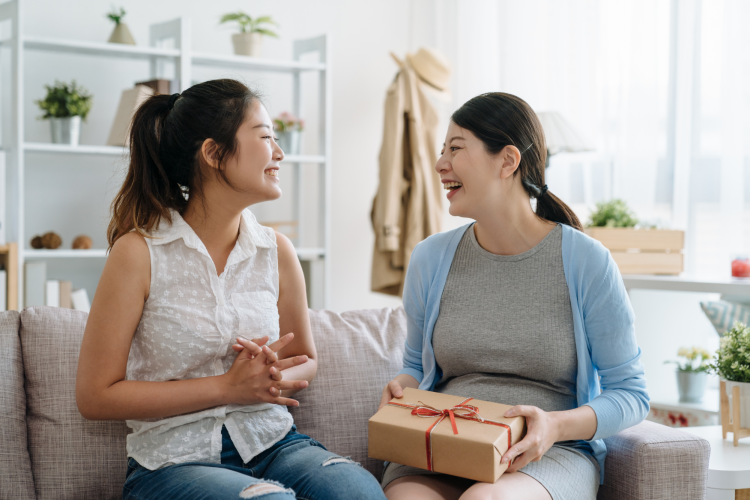
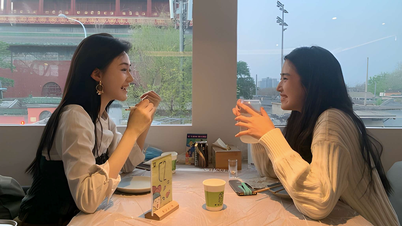
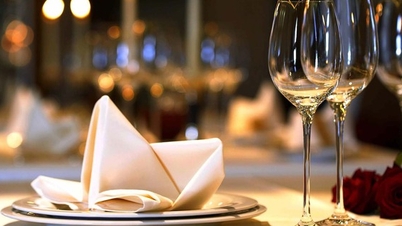
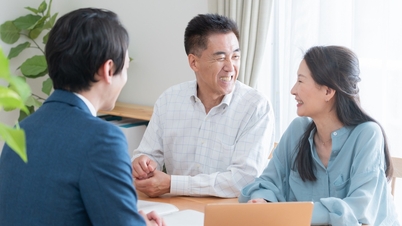
Finding out the host's preferences beforehand and choosing gifts that suit their needs is absolutely a good idea. (Illustrative image)
Giving gifts is a way to express gratitude and respect, so choose items that suit the recipient's tastes.
It's really embarrassing if the recipient doesn't like your gift. While most people won't say it out loud, they'll still have some opinion of you.
Therefore, finding out the host's preferences beforehand and choosing gifts that suit their needs is absolutely advisable. This is a manifestation of high emotional intelligence, reflecting sincerity and thoughtfulness.
When visiting a friend's home, we should approach the host with respect and consideration, and try to avoid the three behaviors mentioned above that indicate low emotional intelligence.
In this way, we can not only create the impression of being well-mannered, but also help strengthen the relationship between the two parties.
2. Bring someone else along.
"Never bring a guest with you without permission," emphasizes Diane Gottsman, an etiquette expert and author of the book "Modern Etiquette for a Better Life."
Unless you are explicitly told that you can bring one (or more) guests, always ask the host beforehand if you are bringing anyone with you. Even if it's a casual gathering, send a quick message asking for permission from the host.
3. Bring along the mischievous children.
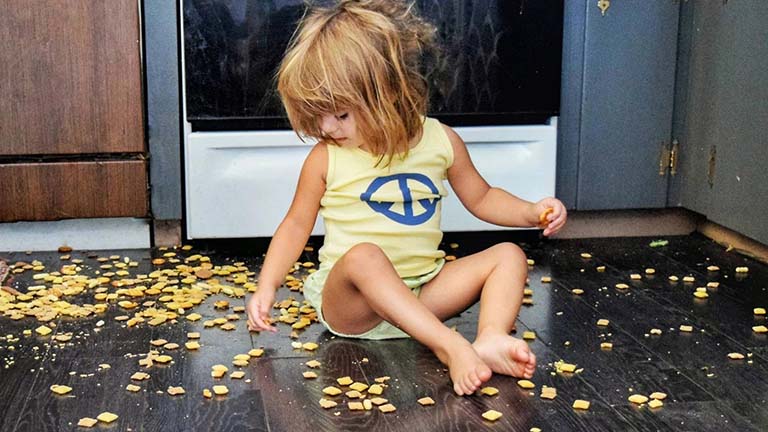
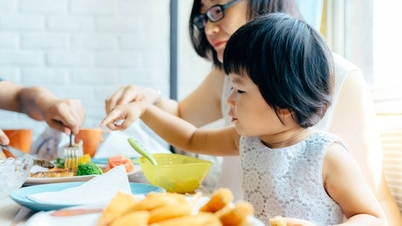
Naughty children can damage things, make a mess, and cause chaos in their surroundings. (Illustrative image)
Bringing unruly children to someone else's house to play is not advisable as it can cause many inconveniences and problems for the host. Naughty children can damage property, make a mess, and disrupt the atmosphere.
Furthermore, it's often said that "children upset adults," and in many cases, the mischievousness and disruptive behavior of children can cause rifts in adult relationships.
To avoid undesirable situations, it is best for parents to educate their children on proper behavior or to carefully supervise them when taking them to other people's homes.
4. Bring along your curiosity.
One piece of advice Smith gives you is not to peek into your landlord's cupboards and drawers.
"Everyone is curious, and I often see guests doing that in movies. However, try to resist the urge to peek inside the medicine cabinet or bathroom when you're invited to someone's home," advises Jodi RR Smith, president of an etiquette and social skills consulting firm in Massachusetts.
5. Carrying negative emotions

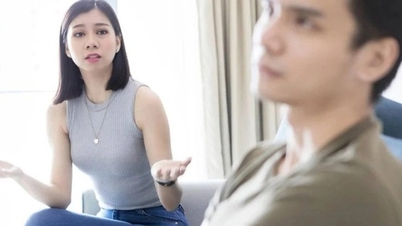
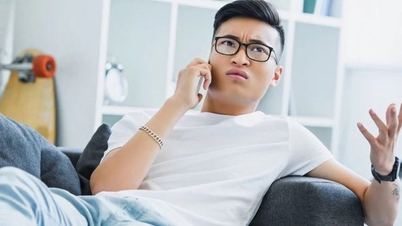
To demonstrate maturity and respect for others, you must learn to control your emotions and cultivate positive energy. (Illustrative image)
Visiting others with a negative attitude and a habit of complaining are also signs of low EQ.
As a guest, you must have an optimistic and friendly heart to create a harmonious atmosphere. If you are always unhappy and constantly complaining, you will make the host feel uncomfortable, no matter how close the friendship is, "hearing it too often will eventually become tiresome."
To demonstrate maturity and respect for others, you must learn to control your emotions and cultivate positive energy, or at the very least, avoid spreading negativity.
When we are guests, if something goes wrong, we should try to empathize with ourselves and put ourselves in the host's shoes, understanding their difficulties.
Don't dwell on your troubles, don't complain, and face them optimistically. Focus on positive sharing and creating a cheerful atmosphere.
Source: https://giadinh.suckhoedoisong.vn/5-thu-nguoi-eq-cao-khong-bao-gio-mang-den-nha-nguoi-khac-nhung-nguoi-eq-thap-lai-hay-mang-172240915174012426.htm
![[Video] Sunset at Lap An Lagoon – Where the sun sets over the fishing nets](https://vphoto.vietnam.vn/thumb/1200x675/vietnam/resource/IMAGE/2026/05/31/1780192137701_beach-landscape-sea-water-nature-grass-745871-pxhere-com.jpeg)









![[Video] Sunset at Lap An Lagoon – Where the sun sets over the fishing nets](https://vphoto.vietnam.vn/thumb/800x450/vietnam/resource/IMAGE/2026/05/31/1780192137701_beach-landscape-sea-water-nature-grass-745871-pxhere-com.jpeg)



































![[Video] Sunset at Lap An Lagoon – Where the sun sets over the fishing nets](https://vphoto.vietnam.vn/thumb/402x226/vietnam/resource/IMAGE/2026/05/31/1780192137701_beach-landscape-sea-water-nature-grass-745871-pxhere-com.jpeg)


























Comment (0)