


Health and Life Magazine - Consuming healthy foods promotes healthy digestion and prevents disease. Below are five gut-friendly foods to add to your daily diet…
1. Whole grains improve digestion.
All whole grains contain three parts: the bran, the germ, and the endosperm. Each part contains nutrients that are beneficial for digestion.
- Bran is the outer layer, rich in fiber, providing B vitamins, iron, copper, zinc, magnesium, antioxidants, and phytochemicals (natural chemical compounds in plants that play a role in preventing disease). Bran and fiber slow down the breakdown of starch into glucose, thus maintaining stable blood sugar levels. Fiber helps lower cholesterol and moves waste through the digestive tract, helping to prevent the formation of small blood clots that can cause heart attacks or strokes.
- The germ is the core of the seed where growth takes place, and it is rich in healthy fats, vitamin E, vitamin B, phytochemicals, and antioxidants.
- The endosperm is the inner layer containing carbohydrates, proteins, and small amounts of some B vitamins and minerals.
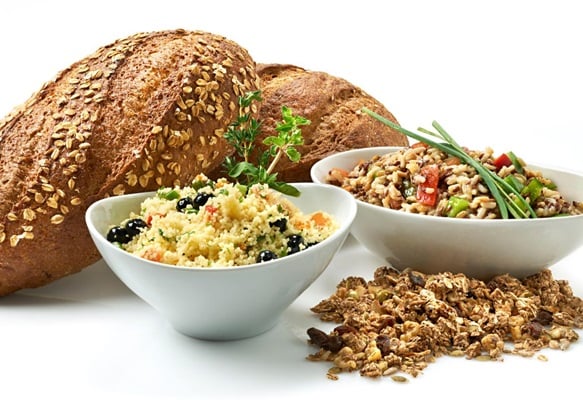
Foods made from whole grains provide many nutrients that are beneficial for the digestive system.
Most whole grains such as brown rice, corn, popcorn, oats, etc., are good sources of fiber, which helps maintain a healthy digestive system, prevent constipation, keep stools soft and full, prevent diverticula and Crohn's disease, reduce inflammation, may lower the risk of colorectal cancer, and promote satiety, thus reducing obesity and overweight.
2. Leafy green vegetables help relax the digestive system.
Leafy green vegetables such as watercress, bok choy, broccoli, spinach, kale, etc., are rich in magnesium, potassium, iron, calcium, vitamins A, C, K, and B vitamins. Magnesium is especially important for keeping the muscles throughout the digestive system relaxed, promoting more frequent bowel movements.
Vitamin B is crucial for converting food into energy, one of the main functions of the digestive system. Additionally, leafy green vegetables contain chlorophyll, which aids in detoxification and reduces inflammation, helping the digestive system function efficiently.
Furthermore, leafy green vegetables contain a specific type of sugar that promotes the growth of healthy gut bacteria. Therefore, consuming plenty of fiber and leafy green vegetables will create favorable conditions for a healthy gut microbiome.
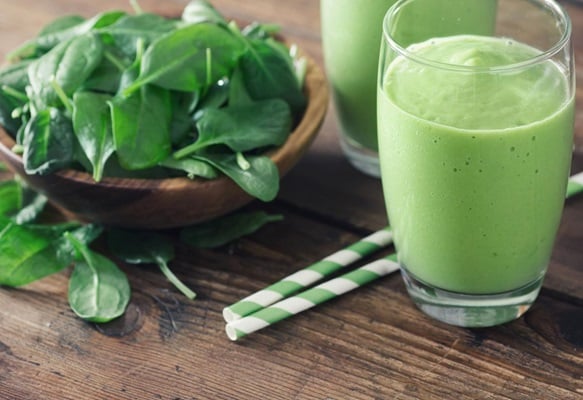
Leafy green vegetables help the digestive system function more efficiently.
3. Lean protein helps control appetite...
According to Dr. Nguyen Trong Hung, National Institute of Nutrition, protein plays a crucial role in maintaining life and improving health. For the digestive system, consuming protein-rich foods such as chicken, fish, beans, eggs, and milk promotes feelings of fullness, significantly reduces bloating and gas, controls appetite, and promotes healthy weight management.
In addition, protein supports the recovery and development of digestive tissues; strengthens gastrointestinal cells, forming a barrier to prevent harmful substances from entering the bloodstream and causing inflammation, while reducing the risk of digestive disorders and promoting overall gut health; provides essential amino acids and reduces the risk of leaky gut syndrome.
Although protein is important, people with irritable bowel syndrome or sensitive bowels should only eat lean protein and avoid high-fat foods, including fried foods.
4. Fruits that are low in sugar (low in fructose) reduce fructose malabsorption.
Fructose intolerance, or fructose malabsorption, is a digestive disorder that affects the body's ability to absorb and process fructose. Fructose is a type of sugar found in many fruits and some vegetables. People with fructose intolerance may experience a variety of symptoms, with varying degrees and frequencies, such as bloating, abdominal pain, diarrhea, and nausea.
These symptoms often appear shortly after consuming foods or drinks high in fructose. This is because undigested fructose in the intestines leads to fermentation by gut bacteria.
Therefore, to maintain gut health, it is advisable to consume low-fructose fruits such as berries and citrus fruits like oranges and grapefruits, and limit high-fructose fruits such as apples, pears, and mangoes.
5. Avocados are high in fiber, which improves digestion.
Avocados are high in fiber and essential nutrients, such as potassium, which help promote healthy digestive function. They are also a low-fructose food, so they are less likely to cause bloating.
In addition, avocados are rich in monounsaturated fats that increase beneficial bacteria, rich in fiber to prevent constipation, and rich in potassium to support muscle contraction, including bowel motility (which helps break down food, move food from the stomach down to the digestive tract for absorption, and eliminate waste from the body).
Additionally, avocados are rich in vitamin C, which stimulates collagen production, helping to maintain the strength and integrity of the intestinal barrier. Vitamin C is also a powerful antioxidant that helps reduce intestinal inflammation and improve the diversity and function of bacteria.
Furthermore, avocados contain some of nature's most powerful antioxidants, such as vitamin E, carotenoids (like lutein and beta-carotene), and phenolic compounds (like gallic acid). These substances can promote the growth of beneficial bacteria in the gut, protect the gut from oxidative stress, support the function of beneficial bacteria, and keep inflammation low to maintain an intact gut barrier.
Source: https://giadinh.suckhoedoisong.vn/5-loai-thuc-pham-cai-thien-tieu-hoa-172250330121743809.htm

































































































Comment (0)