

Fatty liver disease can progress to cirrhosis and liver cancer if left untreated. However, if you recognize the symptoms and seek medical attention early, the disease is completely curable.
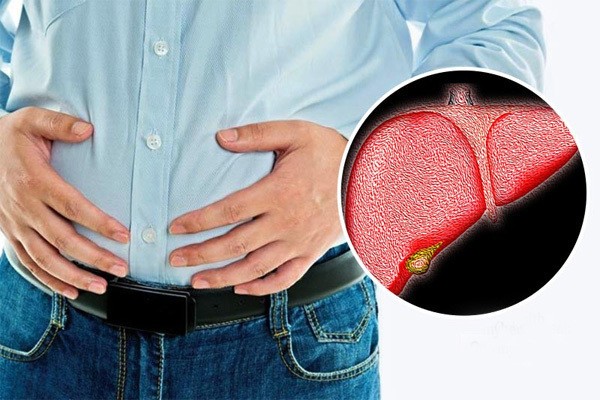 |
Fatty liver disease is a condition characterized by the abnormal accumulation of fat within the liver, which over time disrupts liver function. Women are often more susceptible to fatty liver disease due to hormonal changes.
Fatty liver disease is common in overweight or obese individuals; those with high cholesterol levels; those with hepatitis; patients with type 2 diabetes; those with polycystic ovary syndrome; those with sleep apnea; patients with hypothyroidism or pituitary insufficiency; and the elderly.
We can recognize the symptoms of fatty liver disease, especially in women, through the following symptoms:
The body feels tired.
Although fatigue is a symptom of many illnesses, if you've been getting enough sleep (7-8 hours) and still feel tired, pay attention, as this could be a sign that your liver is having problems.
Moderate to severe fatty liver disease causes patients to experience noticeable exhaustion and fatigue. When suffering from fatty liver disease, the liver is not functioning properly to metabolize nutrients, leading to a loss of appetite and poor nutrient absorption. Therefore, insufficient nutrition and energy deficiency inevitably result in fatigue, exhaustion, and low energy levels.
Therefore, monitor your body; if fatigue persists and your ability to concentrate and perceive is significantly affected, you should get a health checkup to find the cause as soon as possible.
Pain, bloating , nausea, vomiting
Another warning sign of fatty liver disease is abdominal pain or discomfort. This pain primarily begins in the upper right side of the abdomen, where the liver is located.
Bloating, nausea, and vomiting are typical symptoms of liver disease, especially when liver function is impaired. Mild fatty liver disease can also cause these symptoms. In addition to bloating and indigestion, other symptoms may include: gray or pale stools, dark urine, and varicose veins.
Jaundice
This symptom indicates that the red blood cells in the blood contain too much bilirubin (a yellow-orange pigment) and occurs due to a disorder in the body's bilirubin metabolism, when the liver is weakened.
Severe fatty liver disease with jaundice is often accompanied by symptoms such as fatigue, loss of appetite, and discomfort. In a small number of people with mild fatty liver disease with jaundice, the jaundice disappears if the fat in the liver is removed.
When these cells die, the liver also begins to filter bilirubin out of the blood. However, if the organ is damaged and no longer functions normally, bilirubin will gradually accumulate and cause jaundice (yellowing of the skin and eyes).
Source: https://baoquocte.vn/3-trieu-chung-canh-bao-gan-nhiem-mo-o-phu-nu-272758.html




























































































Comment (0)